What Makes a Commercial Property Business-Friendly? 10 Features to Look For
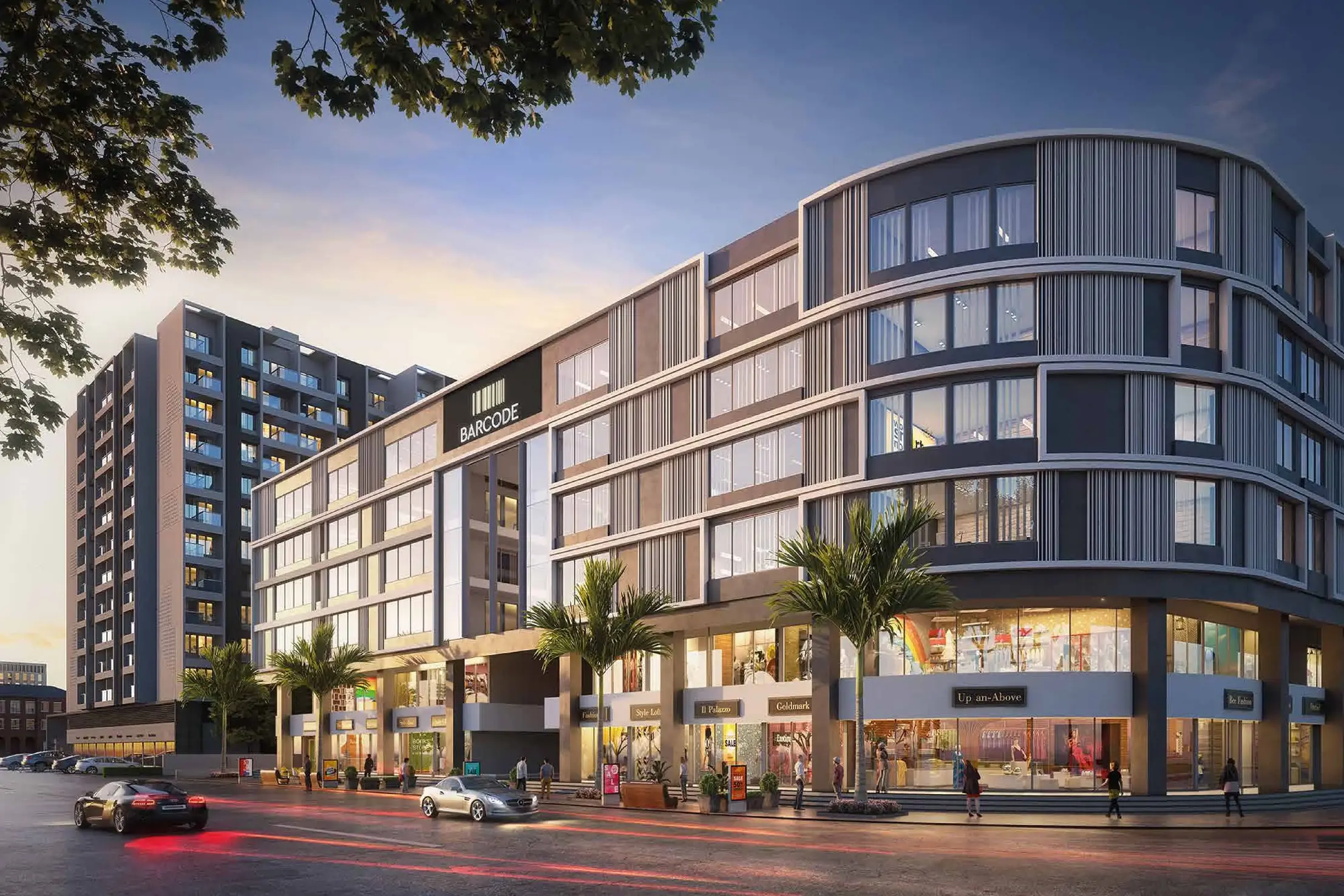
A commercial property becomes business-friendly when it supports the operation inside it — through easy accessibility, visibility, frontage, parking, workable layout, reliable utilities, a complementary business ecosystem, clear permissions, manageable operating costs and strong documentation. Score any option (including units at Rama Barcode Moshi) on these ten features, weighted to your business model, before comparing prices.
- Price and size are only two of ten variables — the other eight decide daily performance.
- Weight features to your business: visibility ×2 for retail, layout ×2 for offices.
- Permissions and documentation are binary — fail one and the property is unusable.
- Verify every feature on a peak-hour visit, not from a brochure.
Price and size dominate commercial listings, but they only describe the transaction — not the decade of operations that follows it. A property becomes business-friendly when its physical and legal characteristics actively help the business inside it earn more and spend less friction doing so. These ten features, applied to any option in Pune or Moshi, separate assets that work from boxes that merely exist.
1. Easy Accessibility
Customers and employees should reach the property conveniently at the hours your business actually operates. Test entry from both traffic directions, U-turn and signal availability, pedestrian paths from stops and parking, and peak-hour entry/exit flow — then extend the test inside for upper floors (lobby, lift wait, wayfinding). A store that takes two extra minutes to enter loses a measurable share of impulse visits; an office with a painful commute loses staff. Time the full journey at rush hour and score it honestly. Our location guide details the access variables.
2. Good Visibility
Clear visibility supports signage, brand recall and walk-in conversion — the cheapest marketing a retail business ever buys. Check sightlines from moving traffic in both directions, obstructions (trees, hoardings, parked vehicles), night lighting on the frontage, and the exact signage slot your unit commands. Photograph the approach as a customer sees it. For offices and destination services, visibility matters less but still aids client confidence and wayfinding — a practice clients can find without calling for directions converts better.
3. Suitable Frontage
Frontage converts visibility into revenue: wider shopfronts mean more display, stronger branding and higher walk-in rates for fashion, electronics, food and franchise formats. Compare frontage-to-depth ratios on carpet plans, check corner and atrium-facing premiums against actual exposure gained, and confirm display rights outside the shutter line. Destination businesses (clinics, studios, coaching) can trade frontage for depth and lower cost — but only deliberately, never by accident.
4. Practical Parking
Parking serves two different masters: customer turnover for retail and dining (visitor bays near entry, peak-hour circulation, valet feasibility) and allotted staff parking for offices (bay numbers in writing, client-visit provision). Confirm the split between the two, walk the parking-to-unit route, and check evening and weekend peaks — not a quiet weekday morning. At Rama Barcode, 4-level basement parking is the infrastructure answer; your job is verifying allocation and circulation for your specific unit and use.
5. Appropriate Layout
The floor plan must support the intended workflow: retail needs display-billing-storage flow; offices need workstation density plus meeting space; clinics need consultation-waiting-procedure separation; restaurants need seating-kitchen-service zoning. Check column grids against your layout, carpet-to-saleable efficiency, ceiling heights for your services, and flexibility for future reconfiguration. A plan that fits on paper but fights columns in reality is not appropriate — test-fit before committing. Our shop-size guide shows test-fitting by business type.
6. Reliable Utilities
Electricity load, water, drainage, ventilation, data connectivity and backup power must match operating needs — not merely exist. Offices and clinics need three-phase power and AC capacity; food needs water, drainage with grease management and exhaust routing; IT needs redundant connectivity; everyone needs to know exactly what backup power covers (lifts? common areas? your unit?). Get capacities in writing from the project, not assurances from a brochure, and price any shortfall (extra load, dedicated lines) into your budget.
7. Suitable Surrounding Ecosystem
Complementary businesses and nearby residential catchment create the destination effect: cafés, salons, clinics, offices and convenience retail near each other share footfall and stretch customer dwell time. Survey the tenant mix within 200 metres, prefer occupied working ecosystems over pioneer positions, and check the residential occupancy feeding daily demand. A unit inside a functioning ecosystem is worth a premium; a unit awaiting one should be priced as the risk it is.
8. Clear Commercial Permissions
The intended activity must be permitted under project rules, fire-safety norms and local regulations — this is binary, not scored. Kitchens, clinics, coaching, signage, music, operating hours: confirm each element of your operation in writing before token money. Restaurant, diagnostic and education uses face the most constraints, so start permission checks earliest for them. A property that cannot legally host your business is not a bargain at any price.
9. Manageable Operating Costs
Maintenance, utilities, fit-out amortisation, parking, signage renewals and staffing overhead must fit the business model's margins. Collect written maintenance rates and charge sheets, estimate utilities from comparable operations, and model fit-out as a per-year cost over its refresh cycle. Businesses die more often from cost structure than from purchase price — a cheaper unit with punishing operating costs is the more expensive asset. Run the numbers through our investor worksheet even if you are buying for self-use.
10. Strong Documentation
Title, approvals, MahaRERA registration, sanctioned plans, agreement terms, possession paperwork, parking allotment and permitted-use confirmation — reviewed by a legal professional before commitment. Documentation is what converts a good property into an open-on-schedule business: lenders, licencing authorities and tenants all rely on the same papers. Treat documentation as feature ten of ten, not as post-purchase admin. Our shop checklist lists every document to collect.
Applying the Checklist to Rama Barcode
For Rama Barcode, score an inventoried unit on all ten: BRTS-area access and entry geometry; tower visibility and your signage slot; frontage on the carpet plan; basement parking allocation and circulation; layout test-fit for your workflow; utility capacities for your use; the working tenant mix around it; written permission for your activity; the full operating-cost stack; and the documentation file. Match the property to the business rather than choosing on headline price — customer-facing uses to G+1 retail (166–725 sq.ft), professional uses to 2nd–9th offices (178–909 sq.ft), dining to rooftop (1,757–6,000 sq.ft). The checklist works on any project; applied honestly, it also tells you when Rama Barcode is not the answer — and that honesty is what makes it useful.
Score Your Business Fit on a Real Unit.
Get matched inventory with plans and charge sheets at Rama Barcode, Moshi.
Frequently Asked Questions
What is the most important feature of commercial property?
It depends on the business. Accessibility, visibility, layout, parking and catchment each matter differently — score features against your business model, not in the abstract.
Why should businesses check operating costs before buying?
High maintenance, utilities or fit-out costs can destroy profitability even when the purchase price looks attractive. Collect written rates and estimates before comparing prices.
What should I ask the sales team?
Ask for the exact unit plan with carpet area, floor-wise price with all charges, possession paperwork, parking allotment, permitted use, fit-out and signage rules, maintenance rates and current availability — all in writing.
How do I know if a location is accessible enough?
Test it physically at your business's busiest hours: entries, U-turns, pedestrian paths, peak flow, and the full road-to-unit journey. Time it — don't estimate it.
What utilities must I confirm for my business type?
Match utilities to operations — power load and AC for offices and clinics, water/drainage plus exhaust for food, connectivity for IT, backup scope for lifts and common areas. Confirm capacities in writing.
What is a commercial ecosystem and why does it matter?
A cluster of complementary businesses sharing footfall and dwell time. Units inside working ecosystems outperform isolated units at the same price — survey the 200-metre mix before deciding.
How do commercial permissions affect my business?
Your activity must be permitted under project, fire-safety and local rules — binary, not scored. Confirm every operational element in writing before token money.
What operating costs surprise buyers most?
Fit-out overruns, late-discovered corpus and transfer charges, parking fees, signage costs and utility deposits. Build the full stack before negotiating.
How important is parking for staff versus customers?
Customer parking drives retail and dining conversion; allotted staff parking affects offices. Confirm the visitor-versus-allotted split in writing.
Does building age affect business-friendliness?
Yes — newer Grade-A towers offer better systems and efficiency; older buildings may price lower with higher upkeep. Ready-to-move Grade-A stock gives modern systems with inspectable condition.
What documentation makes a property business-ready?
Clear title, MahaRERA registration, sanctioned plans, occupancy paperwork, parking allotment, maintenance terms and permitted-use confirmation — legally reviewed before commitment.
How do I compare business-friendliness across options?
Score both 1–5 on this guide's ten features, weighted to your business (visibility ×2 for retail, layout ×2 for offices). Totals reveal which property actually supports your operation.
Is Rama Barcode a business-friendly project?
Rama Barcode positions 10 floors with 4-level basement parking, 4 lifts plus an escalator, G+1 retail, 2nd–9th offices and rooftop restaurants — the infrastructure checklist business-friendliness is scored on. Verify each feature for your unit on a visit.
Which Rama Barcode format suits my business?
Customer-facing uses map to G+1 shops (166–725 sq.ft); professional uses to 2nd–9th offices (178–909 sq.ft); dining to rooftop (1,757–6,000 sq.ft). See our shop-vs-office guide for the framework.
How do I evaluate business-fit at Rama Barcode?
Call 8888 09 5947 or submit the enquiry form, describe your business and space needs, ask for matched inventory with plans and charge sheets, and score shortlisted units on this guide's ten features during a peak-hour visit.
Related Guides
Top 10 Things to Check Before Buying a Commercial Shop
Visibility to legal — the complete shop evaluation checklist for Moshi.
Read Guide →
Moshi Commercial Real Estate Guide: Shops, Offices & Restaurants
Formats, sizes, prices and buying checklists for commercial property in Moshi.
Read Guide →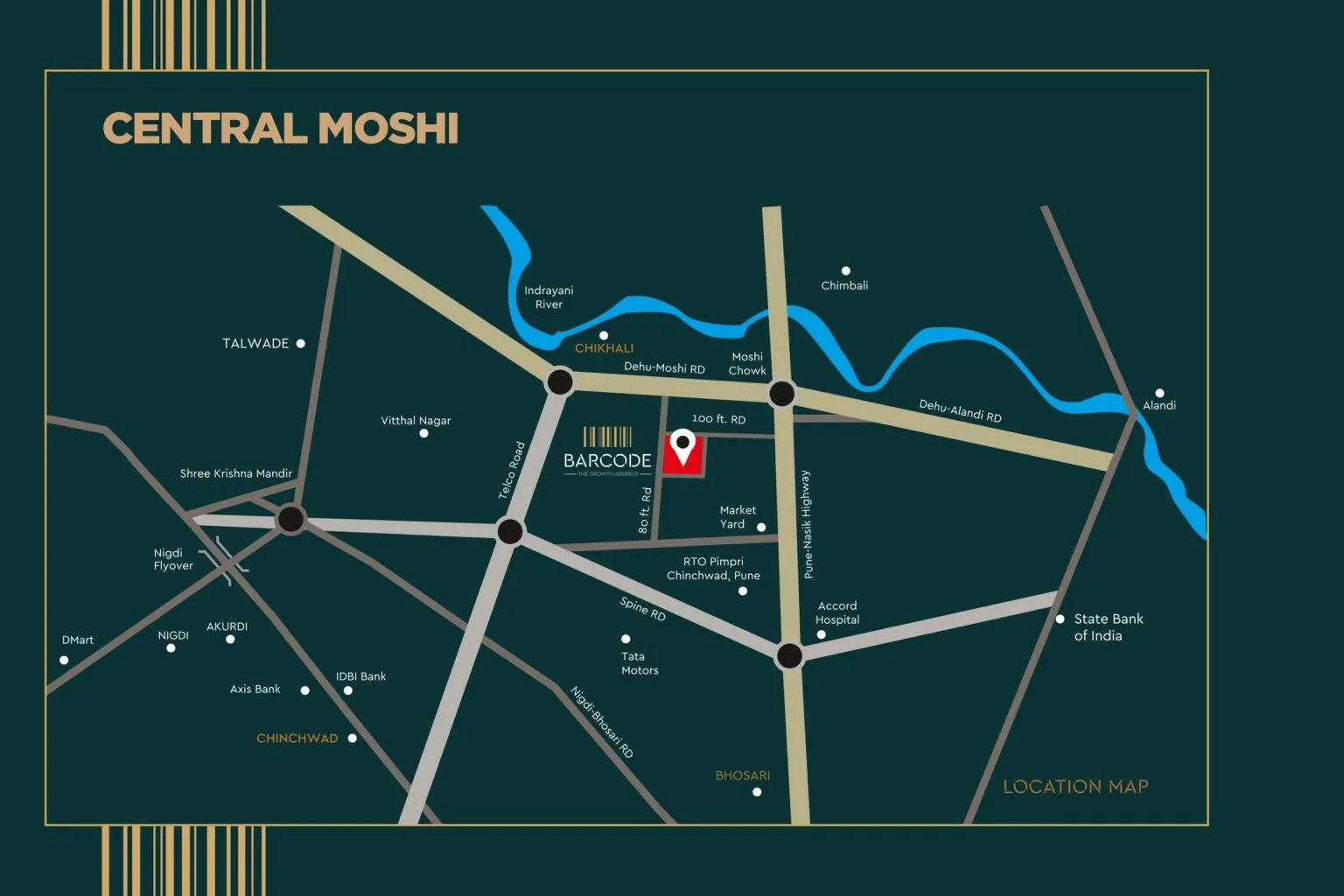
Why Location Matters When Buying Commercial Property
Catchment, visibility and access — the location variables that decide performance.
Read Guide →