Commercial Property Investment in Moshi: A Practical Guide for First-Time Investors
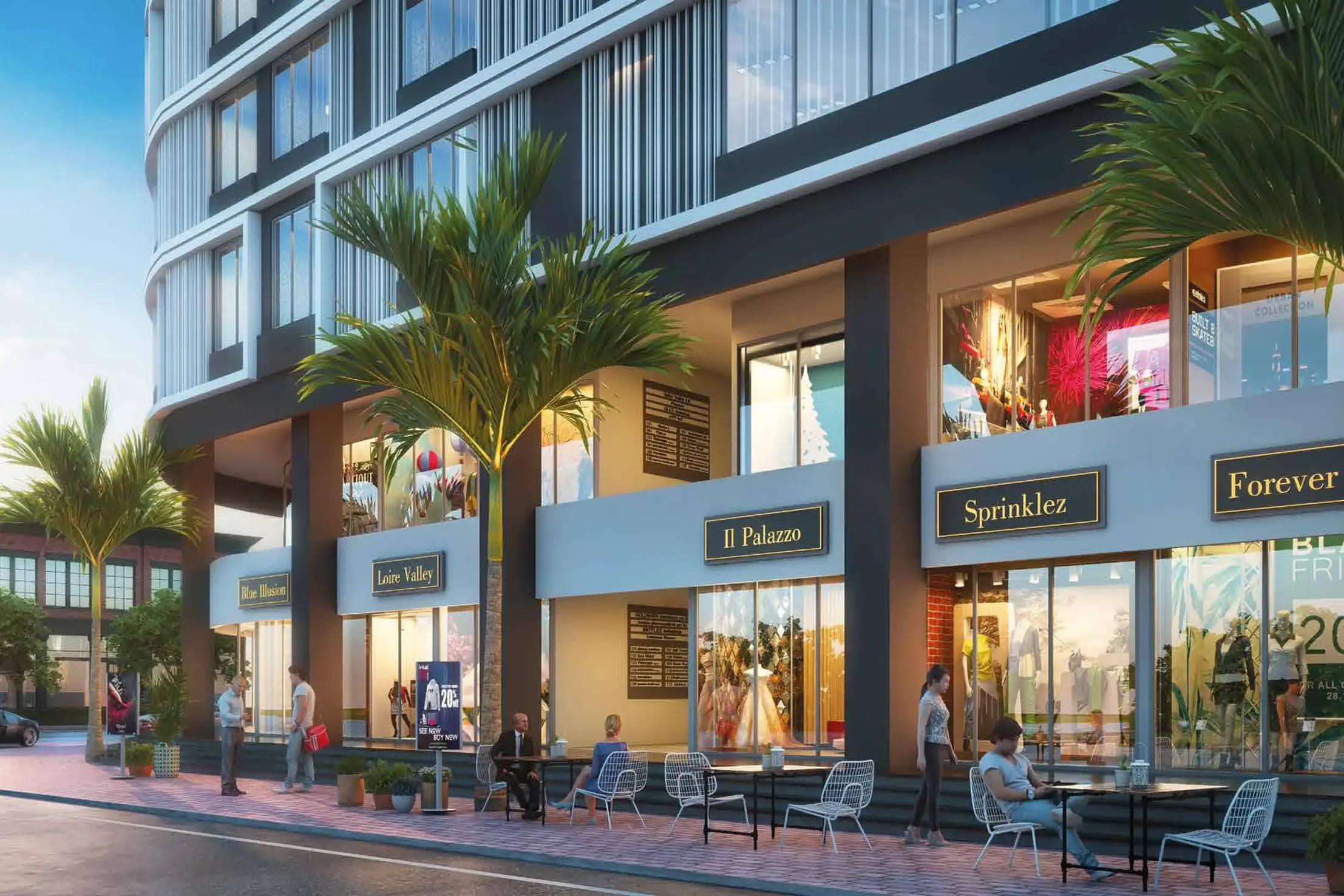
Commercial property investment in Moshi works when you buy verified tenant demand at a fair total cost — not when you buy a growth story. Define your objective, compute total acquisition cost (price + 15–25% extras), underwrite rent from currently-leased comparables, allow 1–3 months yearly vacancy, and demand clean documentation. At Rama Barcode, run this worksheet on an inventoried shop (166–725 sq.ft) or office (178–909 sq.ft) before negotiating.
- Net yield (after vacancy, maintenance, taxes) is the only return number that matters.
- Advertised rent is not achieved rent — verify with leased comparables.
- Total cost runs 15–25% above the price sheet; fit-out surprises end most budgets.
- Ready stock you can inspect beats plan-stage promises for first-timers.
Commercial real estate can build genuine wealth — monthly income plus long-term appreciation — but it punishes casual analysis far harder than residential does. A flat bought slightly wrong still houses you; a shop bought wrong sits vacant and bills you maintenance every month. This guide gives first-time investors in Moshi a repeatable evaluation method: objective, worksheet, evidence, documentation — with Rama Barcode as the worked case study. No guaranteed returns are promised anywhere below, because none can be.
Define the Investment Objective First
Different objectives buy different properties. Self-use prioritises business fit (visibility, layout, access) with investment as a bonus. Rental income prioritises tenant demand, achievable rent and low vacancy in a proven format. Capital appreciation prioritises micro-location trajectory and entry discount — and accepts illiquidity. Blended objectives (use now, lease later) need flexible layouts that suit both your business and a future tenant pool. Write your objective down before visiting any site: it decides whether you should be looking at a ground-floor shop, a fourth-floor office, or nothing yet. Our shop-vs-office framework maps objectives to formats.
Calculate the Complete Acquisition Cost
The price sheet is the beginning of the cost, not the end. A realistic Moshi stack looks like this: base price + floor-rise and position premiums + stamp duty and registration + GST where applicable + brokerage + interior fit-out + maintenance deposit and corpus + utility deposits + signage and business-setup costs. For retail and food formats, fit-out alone can rival the down payment — kitchen, interiors, signage and licensing for a café routinely run into tens of lakhs. Build the full stack in your worksheet's first column; investors who discover costs after token money negotiate from weakness.
Estimate Rent Using Real Evidence
This is where most commercial pitches fail honest scrutiny. "Expected rent" in a brochure is typically the highest asking rent on the stretch, not the achieved rent for your format and floor. Replace it with evidence: currently-leased comparable units in the same micro-market and format, conversations with neighbouring owners about achieved rents and vacancy gaps, and registered lease deeds where obtainable. Then haircut the number — a new tower leases its first units at a discount to proven buildings, and upper floors lease below ground. Underwrite conservatively; if the deal still works, it is genuinely good.
Understand Vacancy Risk Honestly
Every commercial asset spends part of its life empty — between tenants, during fit-outs, through market softness. First-timers routinely model 12 months of rent and receive 9. Use a 1–3 month annual vacancy allowance plus one month's rent as re-letting brokerage on each tenant change, and use the conservative end for new towers in emerging corridors until occupancy is proven. Then stress-test: what happens to your EMI coverage if the unit sits empty for six months? If the answer is distress, the asset is too large for your reserves — size down, don't hope up.
Consider Tenant Suitability and Flexibility
A property designed for one narrow business has a narrow tenant pool — and narrow pools mean longer vacancies and weaker negotiating power. Prefer units with flexible layouts that can serve multiple tenant types subject to permissions: a rectangular first-floor unit that works as salon, clinic, studio or office outlasts a bespoke single-use box. Check permitted use breadth in the project, floor-loading and utility capacity for heavier uses (kitchen, diagnostics), and whether the building's tenant mix already proves multi-format demand. Flexibility is vacancy insurance you buy once at purchase.
Review Documentation Like a Lender Would
Lenders underwrite downside protection through paperwork — copy them. Verify title and approvals, MahaRERA registration with a matching agreement draft, sanctioned plans showing your exact unit, possession or occupancy documentation, parking allotment in writing, maintenance and transfer terms, and permitted-use confirmation for your intended tenant profile. For first-timers, legal review before token money is non-negotiable; the fee is trivial against the capital at risk. Our documentation checklist lists every paper to collect.
The One-Page Investment Worksheet
Put the whole method on one page before every decision:
| Line | Your Number | Source |
|---|---|---|
| A. Total acquisition cost | Price + duty + registration + brokerage + fit-out + deposits | Cost sheet + quotes |
| B. Gross annual rent | Monthly verified rent × 12 | Leased comparables only |
| C. Vacancy allowance | 1–3 months of B | Your assumption, conservative |
| D. Annual operating cost | Maintenance + taxes + insurance | Written rates |
| E. Net annual income | B − C − D | — |
| Net yield | E ÷ A × 100 | The only number that matters |
Worked illustration (not a promise): a ₹60-lakh all-in office renting at a verified ₹28,000/month gives ₹3.36 lakh gross; less one month vacancy (₹28,000) and ₹60,000 annual costs leaves ~₹2.48 lakh net — roughly a 4.1% net yield before financing. That is the honest shape of new commercial in emerging corridors: modest yield plus appreciation optionality. Anyone showing you double digits should be asked for registered-lease proof on the spot.
Rama Barcode as an Investment Case Study
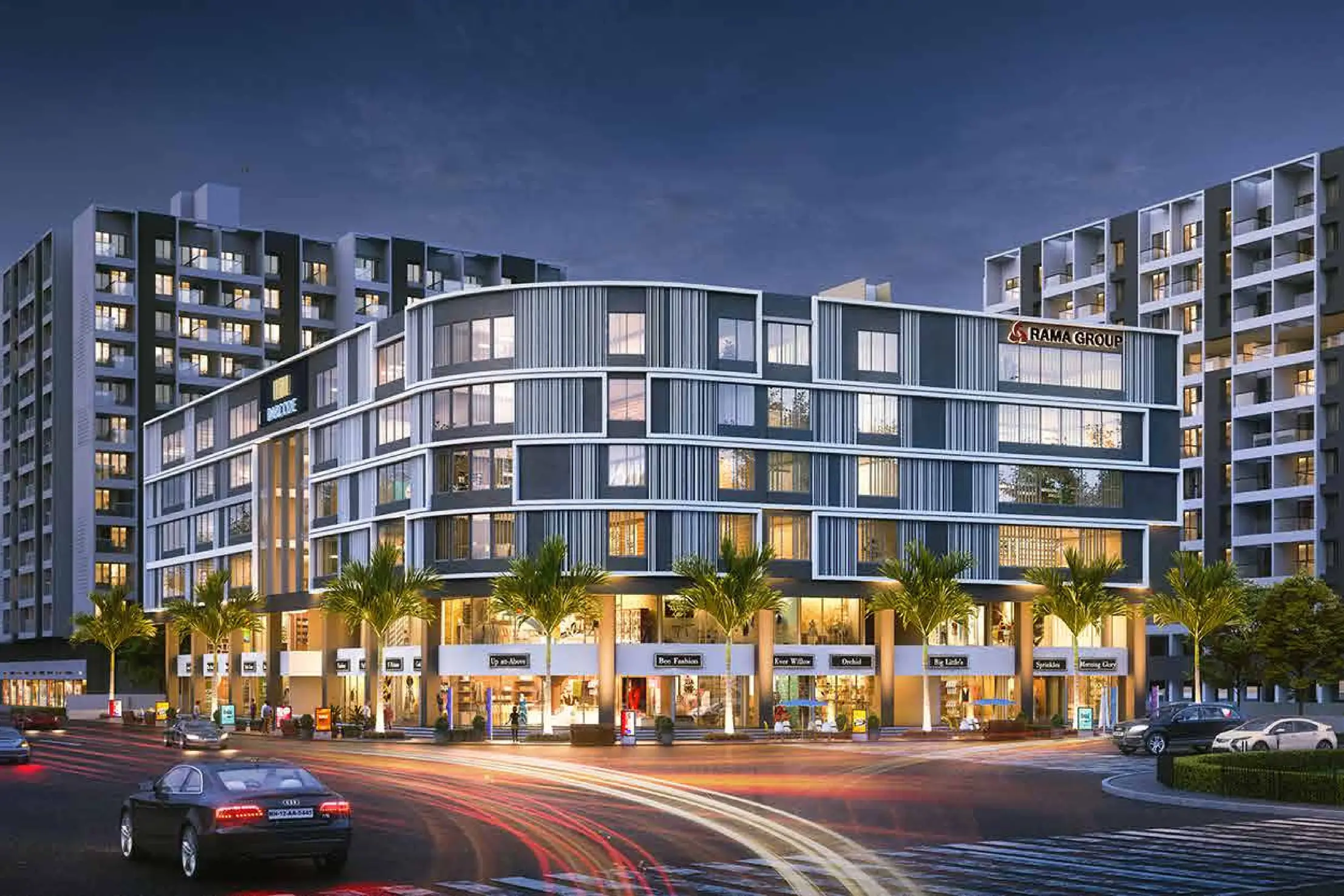
Rama Barcode gives first-timers all three formats to run the worksheet on: shops (166–725 sq.ft, ~₹68L–3.5Cr) for footfall-driven rent profiles, offices (178–909 sq.ft, ~₹41L–2Cr) for steady professional tenancies near the MIDC vendor ecosystem, and rooftop restaurants (~₹4.95Cr onwards) for experience-premium plays. Because the stock is positioned as ready-to-move, every worksheet input — exact unit, entry, parking, neighbours, maintenance rate — is verifiable on foot rather than assumed from plans. That verifiability is precisely what makes it a suitable first-timer case study: run the one-page worksheet on an inventoried unit, and let the net yield — not the pitch — decide.
Run the Numbers on a Real Unit.
Get inventory, floor-wise pricing and charge sheets for Rama Barcode, Moshi.
Frequently Asked Questions
Is commercial property a guaranteed source of rental income?
No. Rental income depends on tenant demand, rent levels, vacancy, operating costs and suitability. Any pitch presenting rent as guaranteed is a warning sign, not a feature.
How do I compare two commercial properties?
Compare total acquisition cost, usable area, micro-location, verified tenant demand, expected rent from leased comparables, vacancy allowance, maintenance and documentation strength.
Should I calculate ROI before buying?
Yes — always. A basic cash-flow worksheet exposes the assumptions behind any pitch and stops headline-rent illusions. Use the one-page format in this guide.
What is a good rental yield for commercial in Moshi?
New commercial in emerging corridors typically shows low-single-digit net yields after all costs. Treat any double-digit promise as unverified until proven with registered-lease evidence.
How much extra should I budget over the price?
Plan roughly 15–25% over base price for duty, registration, brokerage, fit-out, deposits and setup. Retail and food fit-outs can rival the down payment.
Should first-timers pick shops or offices?
Shops offer higher per-sq.ft potential with volatile tenancies; offices offer steadier professional tenancies at lower entry. First-timers often find compact offices simpler — see our shop-vs-office comparison.
How do I verify rental claims?
Ask for currently-leased comparables in the same format, speak to neighbouring owners about achieved rents and gaps, and check listings for asking (not achieved) rents. Registered lease deeds are the gold standard.
What vacancy allowance should I use?
One to three months yearly plus one month's rent as re-letting brokerage per tenant change. Use the conservative end for new towers until occupancy is proven.
Is pre-leased commercial property better?
Pre-leased de-risks day-one income, but verify the lease deed, tenant stability and whether the price already capitalises the rent at a poor yield. Weak tenant at high price beats nothing.
Can I get a loan for commercial investment?
Banks offer commercial-property loans at higher rates and lower LTVs than home loans. Factor EMI into the worksheet — leverage magnifies both yields and vacancy pain.
What office-tenant demand exists near Moshi?
The vendor ecosystem around Bhosari MIDC and Pimpri-Chinchwad industry (contractors, consultants, CAs, logistics) plus startups seeking sub-₹2-crore addresses. Verify with occupied office stock nearby.
How does maintenance affect yields?
Directly and permanently. Maintenance, corpus, parking and refresh cycles all come out of gross rent — get every rate in writing before computing yield.
What documents protect a commercial investor?
Clear title, MahaRERA registration with matching agreement, sanctioned plans, possession paperwork, parking allotment, maintenance terms and permitted-use confirmation. Legal review before token money is non-negotiable.
Is Rama Barcode suitable for first-time investors?
Rama Barcode offers all three first-timer formats — shops (~₹68L–3.5Cr), offices (~₹41L–2Cr), rooftops (from ~₹4.95Cr) — in inspectable ready stock. Run this guide's worksheet on an inventoried unit before deciding.
How do I start evaluating a unit at Rama Barcode?
Call 8888 09 5947 or submit the enquiry form, ask for inventory with floor-wise pricing, visit the exact unit at peak hours, collect charge sheets, and complete the worksheet before negotiating.
Related Guides
Why Moshi Is Emerging as a Commercial Property Destination
Catchment, connectivity and business demand — the case for Moshi commercial.
Read Guide →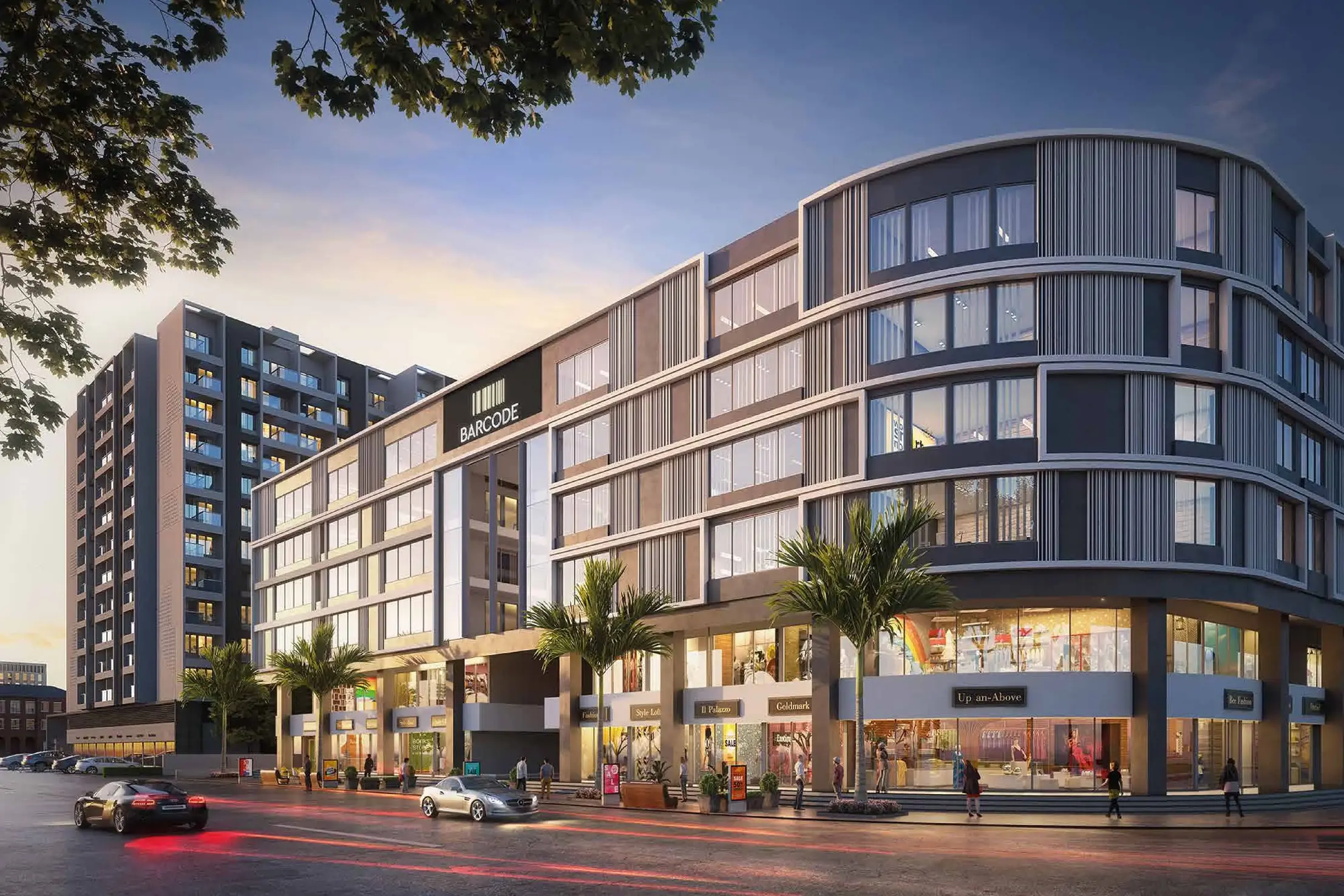
Moshi Commercial Real Estate Guide: Shops, Offices & Restaurants
Formats, sizes, prices and buying checklists for commercial property in Moshi.
Read Guide →
Ready-to-Move Commercial Property in Moshi
Inspection certainty, faster setup and possession checks for ready stock.
Read Guide →