Shop vs Office in Moshi: Which Commercial Property Is Right for You?
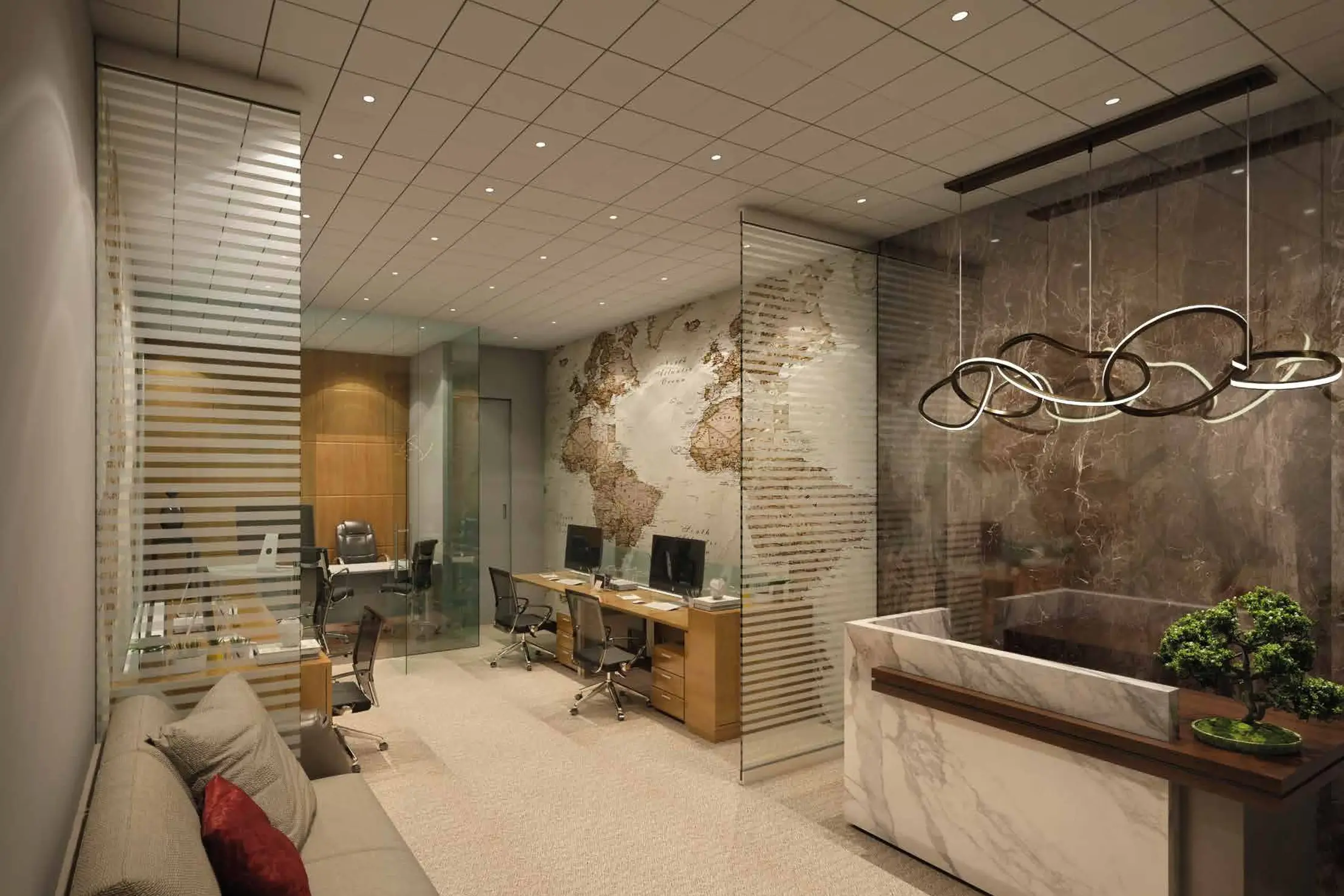
Choose a shop when your business lives on walk-in customers, visibility and frontage (retail, food, salon, pharmacy). Choose an office when you need efficient layouts, parking and a professional environment at a lower entry cost (consultants, startups, clinics, branch offices). At Rama Barcode Moshi, shops (166–725 sq.ft, ground + first floor) and offices (178–909 sq.ft, 2nd–9th floor) overlap in budget — so decide on business fit first, price second.
- Shops monetise visibility; offices monetise productivity — different scorecards.
- In the 180–700 sq.ft overlap band, the same budget buys very different economics.
- Fit-out, staffing and operating needs differ sharply — budget before deciding.
- Five-question framework below resolves most shop-vs-office dilemmas.
A shop and an office are both commercial property, but they solve opposite problems. A retailer pays for customer attention; an office occupier pays for work output. Confusing the two is the most common commercial-buying mistake in emerging markets like Moshi — buyers compare a ground-floor shop and a fourth-floor office on price per sq.ft, pick the cheaper one, and then discover the business never fit the box. This guide prevents that, using Rama Barcode's actual format bands as the worked example.
When a Shop Makes Sense
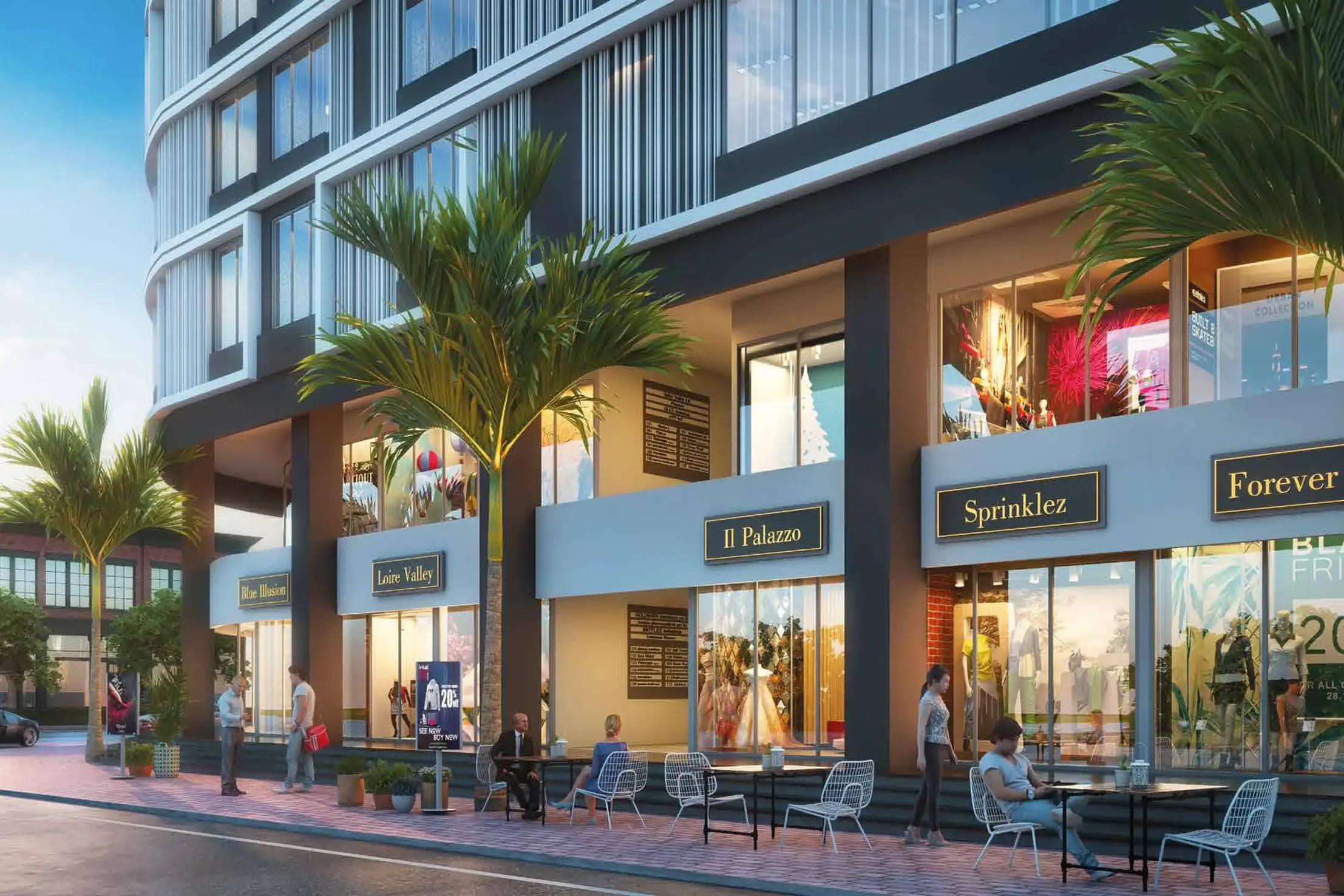
Retail, food, salon and grooming, pharmacy, convenience and franchise outlets need three things only a shop provides: street visibility (customers discover you without searching), walk-in access (no lift ride between intent and purchase) and display frontage (the shopfront is the advertisement). If your revenue depends on footfall conversion — passers-by becoming buyers — the ground or first-floor premium is not a cost, it is the revenue engine. Businesses that should default to shops include grocery and daily needs, QSR and takeaway food, mobile and electronics, apparel and fashion, pharmacy, and customer-facing bank, travel or franchise touchpoints.
The floor rule inside shops: ground floor for impulse and convenience (customers buy because they passed), first floor for destination retail where customers arrive intentionally (salon, boutique studio, coaching). At Rama Barcode, retail spans both across 166–725 sq.ft — verify which floor your shortlisted unit sits on before applying any per-sq.ft comparison. Our 10-point shop checklist covers the full evaluation.
When an Office Makes Sense
Consulting firms, CAs and legal practices, architects, clinics and diagnostics, coaching operators, startups and back-office teams need usable layout per rupee, employee and client parking, meeting space, quiet work environment and a credible business address — all of which upper floors deliver at a discount to street retail. A 300 sq.ft office that fits six workstations plus a meeting nook generates more revenue per sq.ft for a consultancy than a 300 sq.ft shop ever could, because the consultancy sells hours, not footfall.
At Rama Barcode, offices run 178–909 sq.ft from the 2nd to the 9th floor at roughly ₹41 lakhs–2 crore — the band where Moshi's vendor-ecosystem and professional demand actually transacts. Lower office floors suit client-facing practices (easy access, visible name boards); higher floors suit quiet professional and back-office work. Check lift performance at peak hours on your floor — a great office with a ten-minute lift wait is a compromised office.
Compare Total Operating Requirements
The purchase price is only the entry ticket; each format then demands different operating investment. A shop needs display systems, signage (fabrication plus permissions), storage, billing and security, and often longer staffed hours with higher electricity for lighting and cooling. An office needs workstations, cabins and meeting rooms, reception, IT and networking infrastructure, pantry setup and access control. Before deciding, estimate fit-out for both shortlisted options — retail and food fit-outs frequently match or exceed the down payment, while office fit-outs scale more predictably with headcount. Our shop-size guide shows how area converts to operating cost by business type.
Visibility versus Functionality
This is the one-line version of the whole decision: customer-facing businesses buy visibility; work-focused businesses buy functionality. A boutique gains nothing from a quiet, efficient fourth floor; a back-office gains nothing from a high-visibility ground shutter — yet buyers routinely pay for the wrong virtue because "ground floor" sounds premium or "bigger area" sounds like value. Neither assumption survives contact with the business model. Write down where your next hundred customers come from (footpath, search, referrals, institutions) and let that list — not the brochure — pick the floor.
Investment Considerations: Shop vs Office Returns
As pure investments, the formats differ in rent profile rather than in guaranteed superiority. Ground retail typically quotes higher per-sq.ft rents with shorter, more volatile tenancies; offices lease longer to professionals at steadier rents. Compare on net yield with vacancy allowance, never on headline rent:
| Factor | Shop (Ground/1st) | Office (2nd–9th) |
|---|---|---|
| Entry band at Rama Barcode | ~₹68L–3.5 Cr (166–725 sq.ft) | ~₹41L–2 Cr (178–909 sq.ft) |
| Rent character | Higher per sq.ft, more volatile | Steadier, longer tenancies |
| Tenant pool | Retail, food, services, franchise | Professionals, startups, branch offices |
| Key risk | Weak frontage = weak rent | Weak layout/parking = weak demand |
| Fit-out burden | High (display, signage, kitchen) | Moderate (workstations, IT) |
Use current, same-format, currently-leased rents for the math — advertised rents are asking prices, not income. Our first-time investor worksheet walks through the full calculation.
The 5-Question Decision Framework
- Where do customers come from? Footpath → shop. Search/referrals/institutions → office.
- What does the business sell? Impulse and experience → shop. Hours and expertise → office.
- Who works there daily? Counter staff serving walk-ins → shop. A team needing workstations → office.
- What does parking serve? Customer turnover → shop needs visitor parking. Employee + client visits → office allocation.
- What happens in five years? Retail formats re-let to new consumer trends; offices re-let to new professional tenants. Pick the tenant future you understand better.
How to Use This Comparison at Rama Barcode
The practical move: shortlist one inventoried shop and one inventoried office in the same budget at Rama Barcode, run both through the five questions, score both on business fit, total cost and verified rent potential, and visit both at rush hour. The overlap band (roughly 180–700 sq.ft) is where this exercise pays most — identical budgets, opposite economics. Ask the sales team for a side-by-side visit with floor-wise pricing for both units; a project offering both formats in one tower is the ideal place to make this comparison honestly.
Shop or Office? Compare Both Side by Side.
Get floor-wise pricing for retail and office units at Rama Barcode, Moshi.
Frequently Asked Questions
Can an office be converted into a shop?
Not automatically. Permitted use, building rules, fire-safety norms, local regulations and project conditions must all allow the change. Ground-floor visibility and customer access also can't be retrofitted — an upper-floor office rarely converts into genuine retail.
Which is easier to rent out in Moshi, a shop or an office?
Rental demand varies by micro-location, size, floor, pricing and local business demand — there is no universal answer. Ground retail on visible stretches leases fast at higher rents; compact offices lease steadily to professionals. Verify with currently-leased comparables in the same format.
What matters most for an office in Moshi?
Access, parking, usable layout, building environment, connectivity and total operating cost — plus lift reliability on your floor and fit-out rules for your business type.
What is the price difference between shops and offices in Moshi?
At Rama Barcode, indicative bands are approximately ₹68 lakhs–3.5 crore for shops (166–725 sq.ft) and ₹41 lakhs–2 crore for offices (178–909 sq.ft). Ground retail commands a visibility premium; upper offices trade it for lower entry cost.
Which needs more maintenance, a shop or an office?
Shops typically incur higher fit-out refresh, signage and glazing costs; offices spend more on interiors, AC and IT. Base building maintenance is usually similar per sq.ft — the difference sits in tenant-side upkeep.
Can a commercial shop be used as an office?
Physically possible in many cases, but check permitted use and economics first — paying retail premiums for back-office work wastes the visibility you're funding. A first-floor unit often splits the difference.
Which format suits a clinic or diagnostics centre?
Clinics need visibility plus lift accessibility for elderly patients plus waiting space — typically a first-floor or prominent upper-floor unit with good signage. Confirm biomedical-waste, radiation and signage permissions for the specific unit.
Which format suits a restaurant or café?
Food businesses need kitchen feasibility, customer access, parking and compliance. Ground retail suits QSR and takeaway; rooftop formats suit dine-in experiences — see our rooftop restaurant guide for the full checklist.
Which format suits a startup or consultancy?
Startups and consultancies usually optimise for cost per workstation, parking, meeting space and a professional address — an upper-floor office (178–400 sq.ft) typically beats a shop on every metric.
Do shops appreciate faster than offices in Moshi?
Prime ground retail on proven stretches has historically appreciated well, but appreciation follows verified footfall and tenant demand — not the format label. Compare micro-location evidence, not categories.
What are typical shop vs office sizes at Rama Barcode?
Shops run 166–725 sq.ft on ground plus first floor; offices run 178–909 sq.ft from 2nd to 9th floor. The overlap band (roughly 180–700 sq.ft) is exactly where the shop-vs-office decision matters most.
Which floor should I choose for an office?
Lower office floors (2nd–4th) suit client-facing practices; higher floors (5th–9th) suit quiet professional and back-office work. Check lift waiting times at peak hours on your shortlisted floor.
Can I run a business from a commercial office near my home?
Yes — that is precisely what small commercial offices are for. Keep business and residential accounting separate, confirm permitted use, and check working-hour and visitor policies.
Which format has lower vacancy risk in Moshi?
Well-positioned compact offices often show steadier occupancy through longer professional tenancies, while prime retail can re-let faster at more volatile rents. Vacancy risk follows unit quality and pricing within each format, not the format itself.
How do I compare a specific shop vs office at Rama Barcode?
Shortlist one inventoried shop and one inventoried office in the same budget, score both on fit, cost and verified rent potential, and visit both at rush hour. Call 8888 09 5947 for floor-wise pricing and a side-by-side visit.
Related Guides
Top 10 Things to Check Before Buying a Commercial Shop
Visibility to legal — the complete shop evaluation checklist for Moshi.
Read Guide →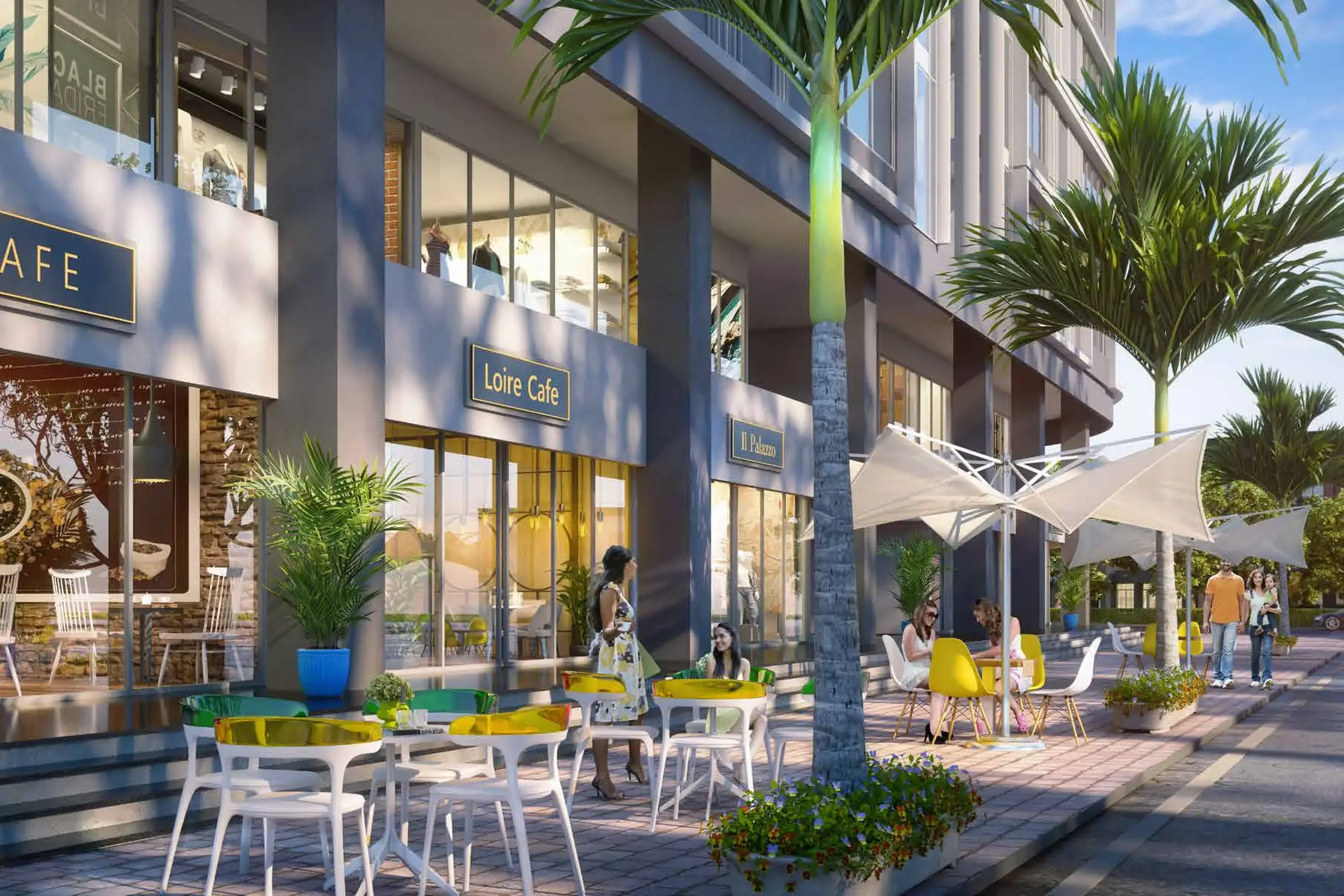
How to Choose the Right Shop Size for Your Business
Business model first, area second — matching shop size to revenue needs.
Read Guide →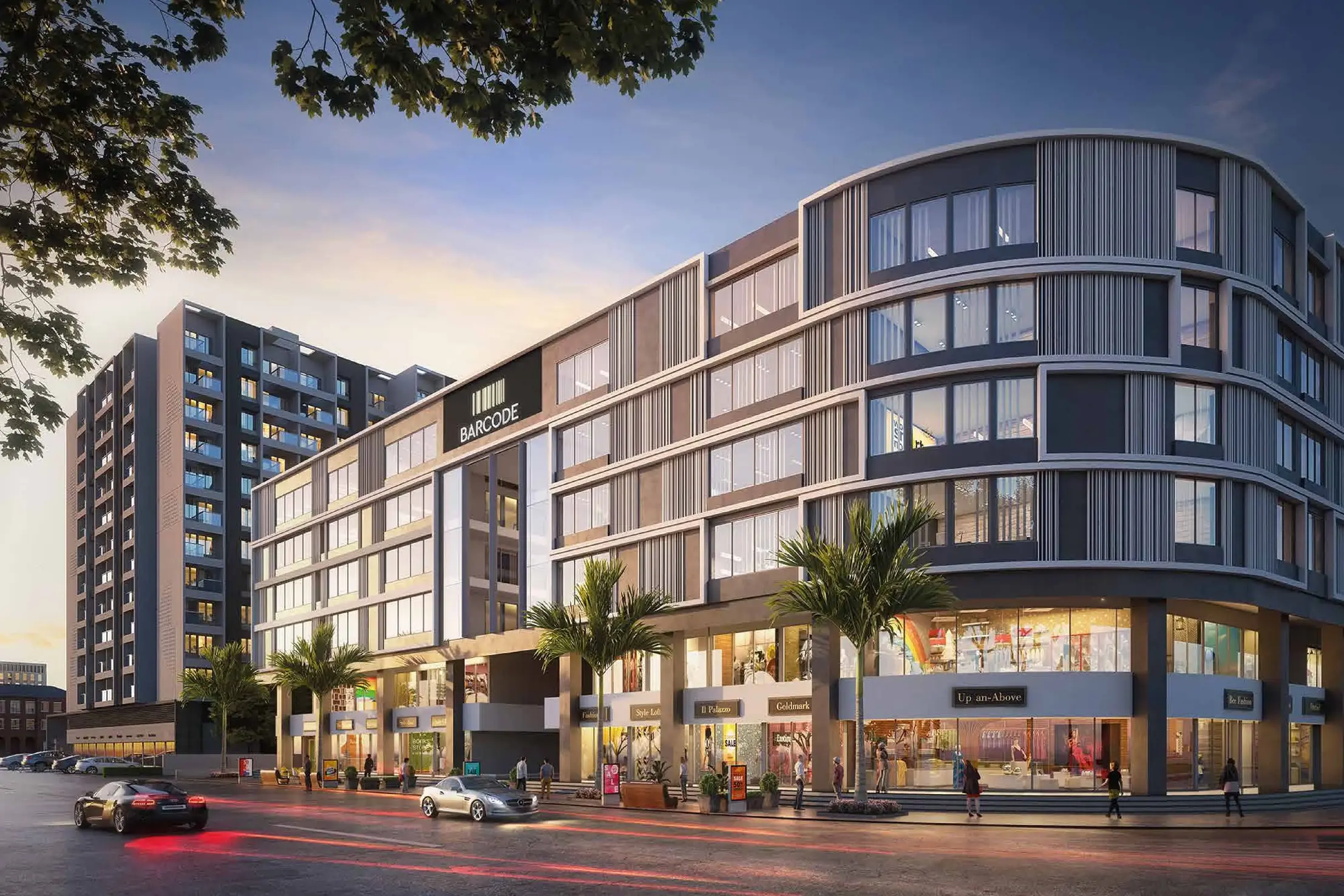
Moshi Commercial Real Estate Guide: Shops, Offices & Restaurants
Formats, sizes, prices and buying checklists for commercial property in Moshi.
Read Guide →