Why Location Matters When Buying a Commercial Property in Moshi
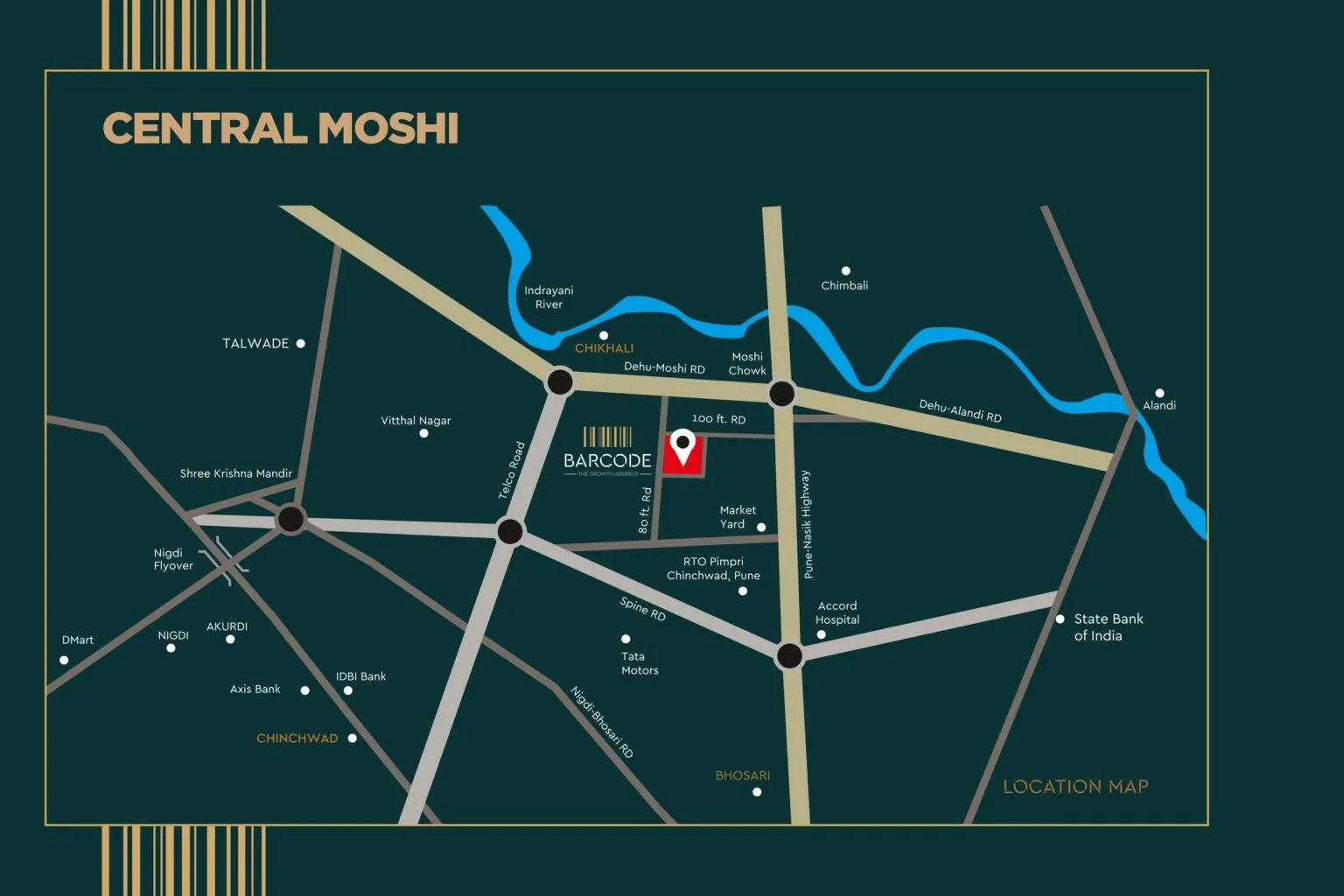
In commercial real estate, the address is part of the product. Two same-sized units in Moshi can perform entirely differently based on catchment, road visibility, entry access, neighbouring businesses and real (not announced) development around them. Evaluate the exact micro-location — road, frontage, entry, parking — before comparing prices, including for units at Rama Barcode.
- Buy a micro-location (specific road + entry + visibility), never just a locality name.
- Relevant traffic beats raw traffic — match movement type to your business.
- Complementary neighbours build destinations; vacant ones warn you.
- Pay for documented today; treat announced tomorrow as bonus.
Residential buyers forgive a weak location with a good flat. Commercial buyers cannot — because the location is the business asset. A shop's customers, an office's employees and tenants, a restaurant's diners all arrive through the same variables: how they find you, how they reach you, and what surrounds you. This guide breaks those variables down for Moshi, so you can score any option — including Rama Barcode — on evidence instead of adjectives.
Catchment Area: Who Can Reach You
Identify the residential communities, workplaces, schools, institutions and transit stops that can generate your customers. Around Moshi, that means the BRTS-belt housing clusters, Moshi–Chikhali residential pockets, and the MIDC and industrial workforce within a short commute. But a catchment on paper is not a catchment in practice — measure it physically. Visit at 9 am and 7 pm, count pedestrians and vehicles for ten minutes, note which nearby shops are trading versus shuttered, and check whether foot traffic flows past your specific entrance or one lane away. Occupied housing within five minutes is the strongest single predictor of daily-needs retail performance; everything else is secondary.
Visibility and Movement: Being Seen by the Right Eyes
A property exposed to regular vehicle or pedestrian movement earns continuous brand impressions — but traffic volume alone is not enough; the movement must be relevant to your customer. BRTS-corridor commuter flow suits daily-needs retail, food and services. MIDC-shift movement suits affordable food, daily needs and two-wheeler-oriented retail. Office-worker flows suit cafés and professional services. When evaluating visibility, check directionality (one-direction or both?), obstructions (trees, hoardings, parked buses), night visibility (street lighting on your frontage), and where your signage will actually mount. Photograph the sightline from a moving vehicle — that is what your customers will see.
Ease of Access: Being Reachable Without Friction
A visible property that is difficult to enter still creates friction — and friction kills impulse visits. Examine entry and exit separation, U-turn and signal availability for both traffic directions, pedestrian paths from the nearest stop and parking, and service-vehicle access for deliveries and fit-out. For upper-floor units, the access chain extends inside the building: lobby quality, lift wait at peak hours, and wayfinding to your floor. Walk the entire journey yourself — road to parking to lift to shutter — at the busiest hour. If any link feels awkward, assume a share of customers will feel the same and never return. Our shop checklist turns this walk into a scored exercise.
Neighbouring Businesses: The Ecosystem Effect
Complementary businesses create a destination premium: cafés, salons, clinics, offices and convenience retail near each other share footfall, extend dwell time and lift every tenant's performance. A tower with a working food outlet, an occupied salon and two professional offices is worth more per sq.ft than an identical empty one — ecosystems compound. Conversely, vacant neighbours, conflicting uses or a single dominant tenant that could leave are risks to price in. Survey the tenant mix within 200 metres, ask about occupancy history, and prefer buildings where the mix already works over ones where you would be the pioneer.
Future versus Current Reality
Infrastructure and planned development can lift future accessibility and demand — Moshi's ongoing road improvements and corridor upgrades are genuine tailwinds. But buyers must separate approved and under-execution work from speculative announcements. The discipline is simple: for every "upcoming" claim affecting your unit, ask for the authority, the status and the timeline — and then value your purchase on today's catchment and access alone. If the numbers work without the future, the future is free upside. If they only work with it, you are speculating, not investing. Our Moshi demand analysis shows how to apply this filter.
Moshi Micro-Locations Worth Knowing
| Micro-Pocket | Strength | Best For |
|---|---|---|
| BRTS Road frontage | Maximum visibility + commuter flow | Retail, food, clinics, franchise |
| Moshi–Chikhali corridor | Residential catchment + through-traffic | Daily needs, services, offices |
| Bhosari-side stretches | Worker footfall, industrial demand | Food, budget retail, small offices |
| Alandi Road links | Pilgrim + local mixed traffic | Value retail, services |
| Interior lanes | Lower cost, quieter | Studios, coaching, back-office |
Rama Barcode and Location-Led Evaluation
Marketing for Rama Barcode should be read the same way this guide reads everything: as a set of verifiable location claims — BRTS-road-area positioning in Moshi, stated links to Bhosari MIDC (~5 min), Pimpri-Chinchwad (~10 min), Alandi Road (~15 min) and the Pune–Nashik Highway — to be confirmed on a physical visit. Ask for the exact site address and approach roads, test the entry geometry yourself, count the catchment at peak hours, and score the unit on the variables above. Location-led buying is slower than brochure buying, and that is exactly why it performs better.
Verify the Location Yourself — On Ground.
Book a guided site visit with catchment and access walkthrough at Rama Barcode, Moshi.
Frequently Asked Questions
Why is location important for commercial property?
Location decides customer access, visibility, catchment strength, tenant demand and operating friction. Two same-sized units can perform entirely differently based on road, entry, neighbours and surrounding occupancy.
Should I invest in Moshi based only on future development?
Future development can be considered, but only on credible, documented information — approved and under-execution work, not renders and announcements. Pay for verifiable today; treat future growth as upside.
What local factors should I compare between options?
Compare road access and entry geometry, catchment occupancy, parking reality, surrounding businesses, visibility from moving traffic, current occupancy and documented infrastructure developments.
What is a commercial catchment and how do I measure it?
A catchment is the pool of people who can conveniently reach your business. Measure it by walking the area at rush hours, counting occupied housing nearby, and noting which shops are actually trading.
How important is road visibility versus footfall?
Relevance beats volume. BRTS-road frontage suits impulse retail and food; interior lanes suit destination services. Match the traffic type to your business model.
What access problems should I check on a site visit?
Entry from both directions, U-turns, pedestrian paths, peak-hour entry/exit separation, service-vehicle access — plus lobby, lift wait and wayfinding for upper floors.
Do neighbouring businesses really affect performance?
Yes. Complementary neighbours share footfall and build destinations; vacant or conflicting ones drag performance. Survey the tenant mix within 200 metres before deciding.
Which Moshi corridors have the best commercial visibility?
BRTS Road frontage, the Moshi–Chikhali corridor and Bhosari/Alandi stretches generally lead — but corridor averages never transfer automatically to individual units. Verify each site.
How close should commercial be to residential areas?
Daily-needs retail and food perform best within minutes of occupied housing; offices and destination services tolerate slightly off-flow positions with strong access and parking.
Does proximity to Bhosari MIDC help Moshi commercial?
Yes — roughly 5-minute access brings daytime worker footfall plus vendor-ecosystem office demand (consultants, contractors, CAs, logistics). It anchors Moshi's office-tenant story.
How do I verify future infrastructure claims?
Ask for the authority, status and timeline; check PCMC/PMRDA and MahaMetro public records; discount render-only claims. Separate what helps your unit from generic locality news.
Is a corner or road-facing unit worth the premium?
For customer-facing businesses, usually yes. For back-office or destination uses, the premium rarely pays back. Price it against your business's actual visibility dependence.
Where is Rama Barcode located within Moshi?
Rama Barcode is positioned in Moshi, Pimpri-Chinchwad with BRTS-road-area positioning and stated links to Bhosari MIDC, Pimpri-Chinchwad, Alandi Road and the Pune–Nashik Highway. Confirm exact address and entry on a physical visit.
How do I test a location before buying?
Visit at peaks, count traffic for ten minutes, walk the full customer journey, check parking at busy hours, note occupied vs shuttered neighbours, test your commute — and photograph everything.
How can I get location and pricing details for Rama Barcode?
Call 8888 09 5947, message on WhatsApp, or submit the enquiry form for site address, connectivity details, current pricing and a guided visit.
Related Guides
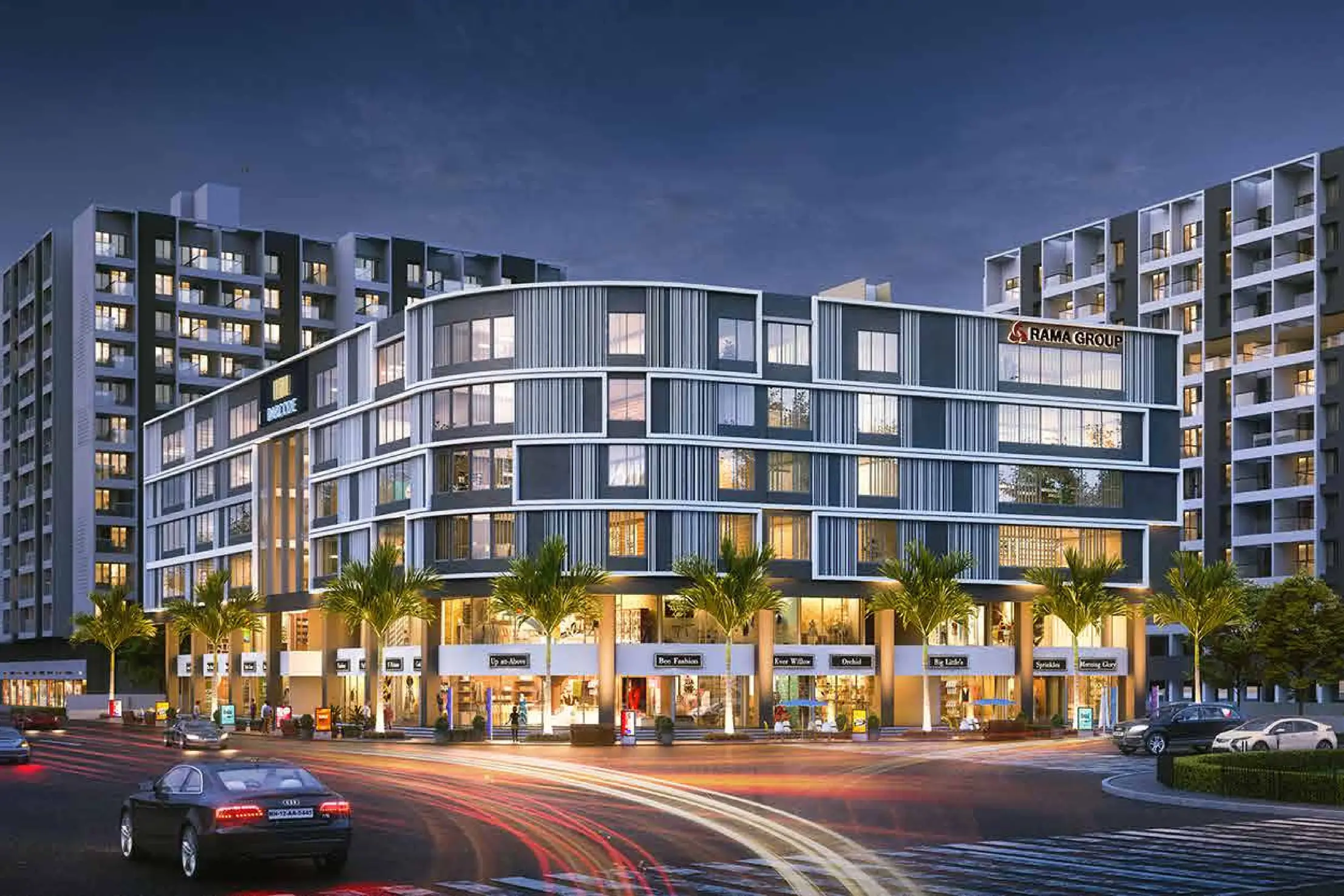
Why Moshi Is Emerging as a Commercial Property Destination
Catchment, connectivity and business demand — the case for Moshi commercial.
Read Guide →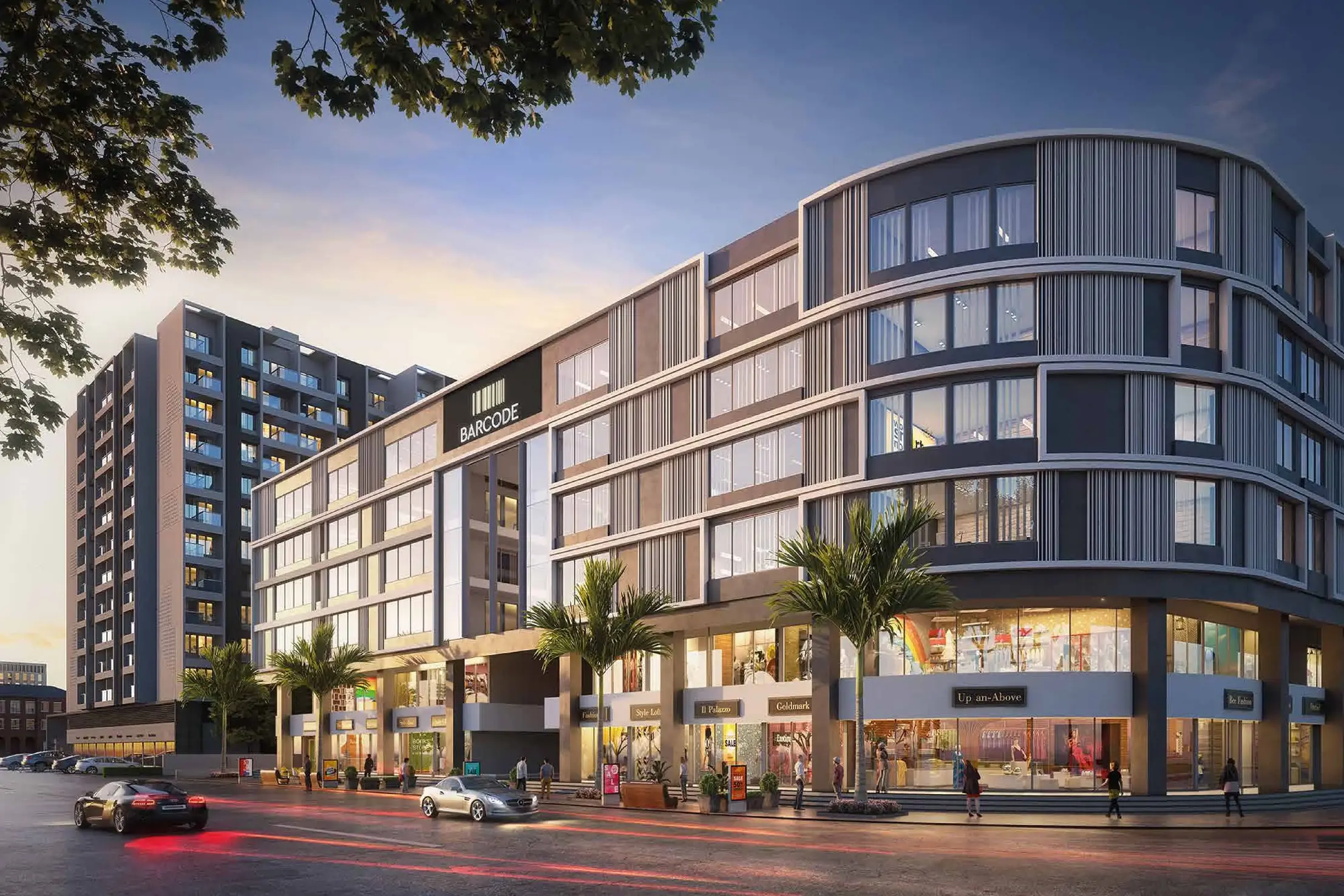
Moshi Commercial Real Estate Guide: Shops, Offices & Restaurants
Formats, sizes, prices and buying checklists for commercial property in Moshi.
Read Guide →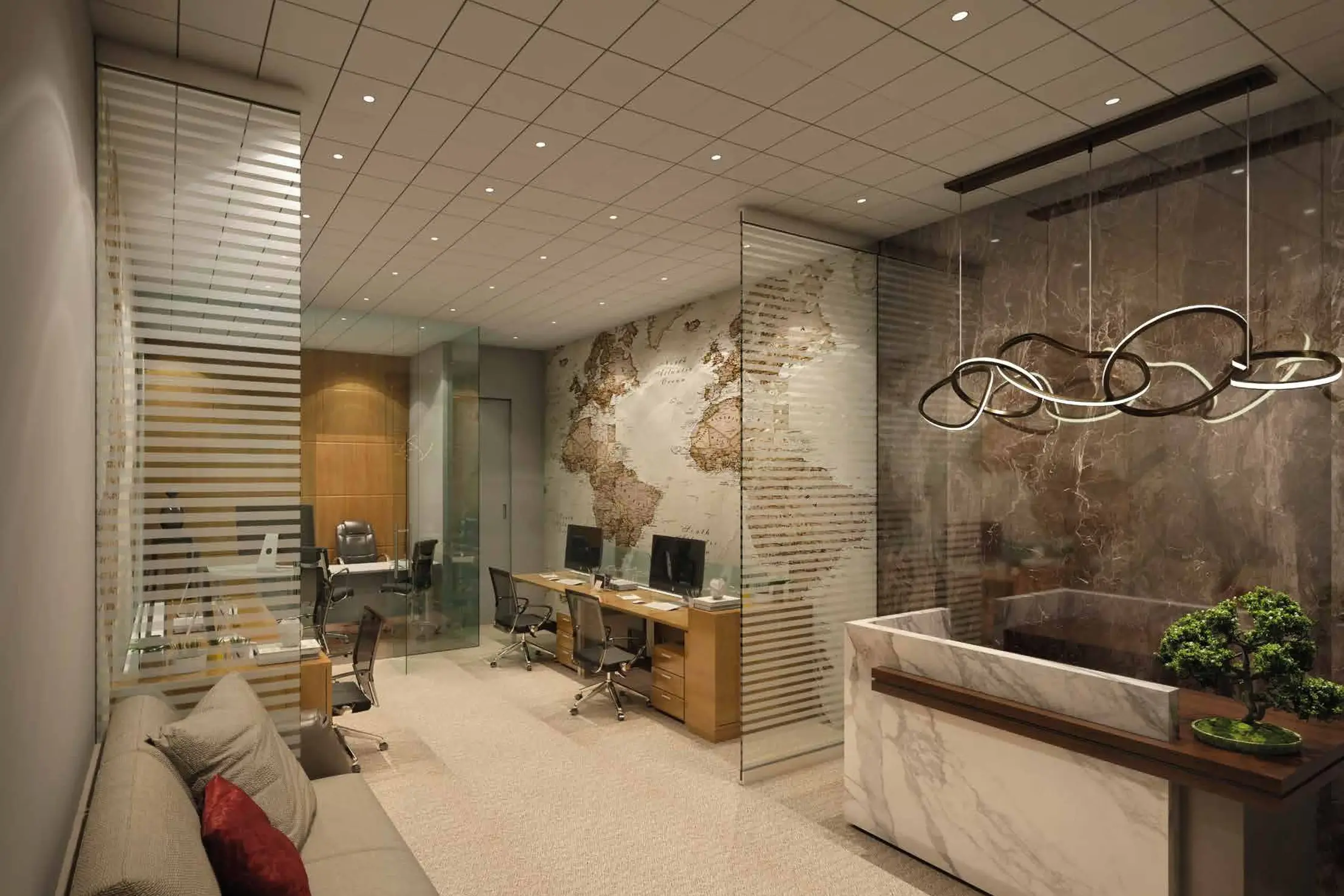
What Makes a Commercial Property Business-Friendly?
Ten practical features that decide whether a property supports your business.
Read Guide →