Why Moshi Is Emerging as a Commercial Property Destination in Pune
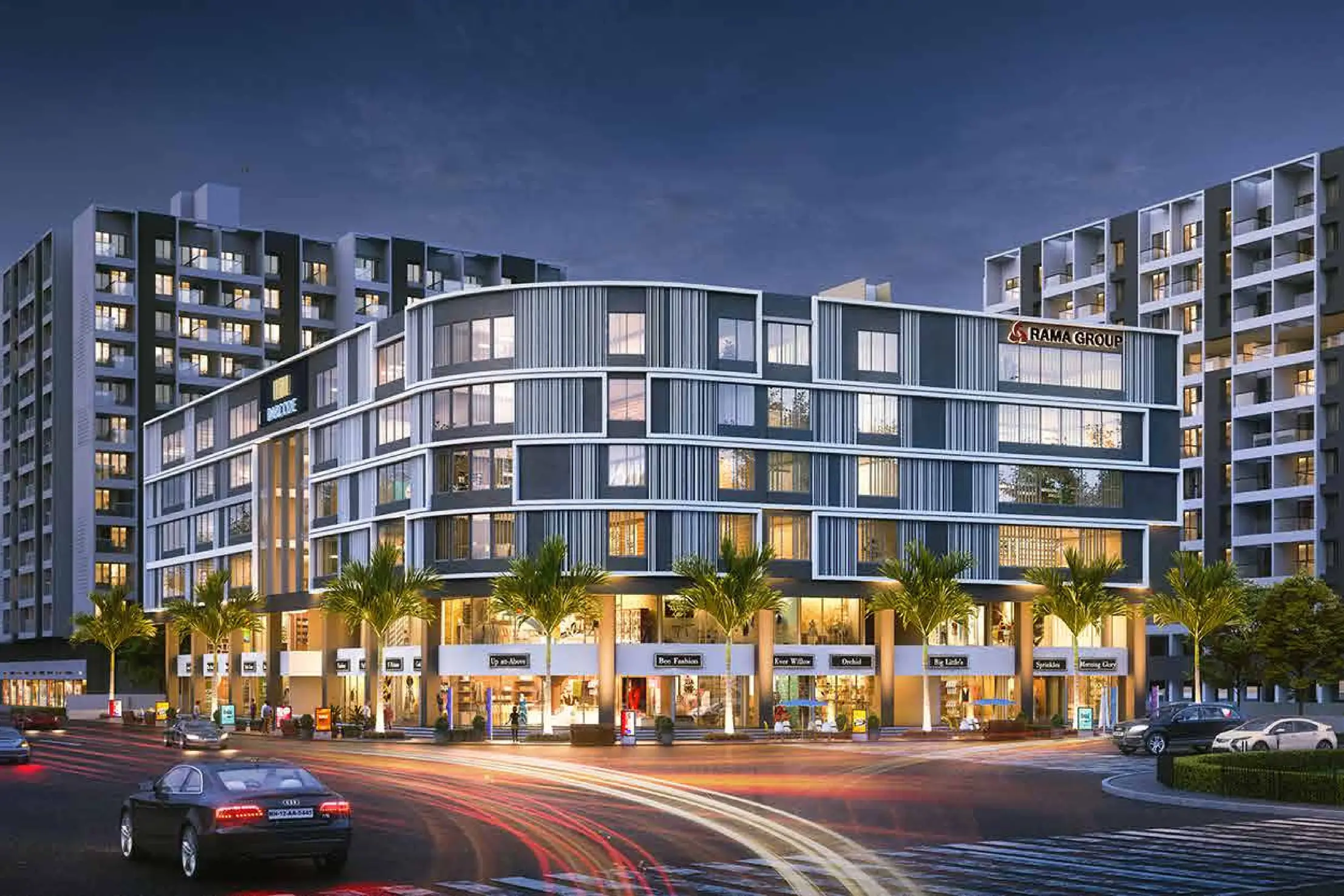
Moshi has moved beyond being just a residential growth corridor. A fast-filling residential catchment, Dehu–Alandi BRTS Road connectivity and 5-minute proximity to Bhosari MIDC are creating parallel demand for retail, offices and dining — which is why businesses and investors are evaluating commercial property in Moshi, including ready-to-move formats at Rama Barcode.
- Two demand engines: resident households (footfall) + MIDC/industrial employment (daytime + office demand).
- BRTS corridor + Pune–Nashik Highway access decide which Moshi units actually perform.
- Entry prices trail established PCMC high streets — but verify rents, not just entry price.
- Buy the micro-location (visibility, access, parking), not the locality's growth story.
From Residential Corridor to Commercial Catchment
For years, Moshi in Pimpri-Chinchwad was described in one line: an affordable residential zone near the industrial belt. That line is now outdated. As housing communities along the Dehu–Alandi BRTS Road, the Moshi–Chikhali stretch and the roads toward Alandi have filled with resident families, the area's daily movement — school runs, office commutes, evening errands — has grown into exactly the kind of recurring footfall that retail, food, clinics and professional offices need. Commercial property performs on repetition: the same customers passing the same shutter every day. Moshi increasingly has that repetition.
This shift matters because commercial catchments lag residential ones by a few years. Homes fill first; organised commercial supply follows. Buyers evaluating commercial property in Moshi today are essentially buying into that lag — established enough that demand is visible in occupied shops and leased offices nearby, early enough that Grade-A supply (like Rama Barcode's 10-floor tower) still prices below mature PCMC high streets. Our Moshi commercial real estate guide maps the formats in detail; this article explains the demand story behind them.
The Residential Engine: Who Lives Around Moshi
A commercial catchment is only as strong as its households. Moshi's surrounding belt — Moshi village and gaothan, Chikhali, Dudulgaon, Borhadewadi, Alandi-Devachi edges and the Spine Road residential clusters — has added thousands of homes over the past decade, largely occupied by industrial employees, service-sector commuters and first-generation PCMC homeowners. These households generate the everyday commercial demand that national-franchise decks describe as "daily-needs and discretionary footfall": grocery, pharmacy, salon and grooming, mobile and electronics, apparel, cafés and quick-service food, tuition and coaching, clinics and diagnostics.
For a shop buyer, the practical question is not "how many flats exist within 2 km" but "how many of those households pass my shutter on their daily route?" Units on the BRTS road and the Moshi–Chikhali corridor intercept commuter flows; units two lanes inside depend on destination intent. When you visit Rama Barcode or any Moshi project, stand outside at 9 am and 7 pm and count. That ten-minute exercise beats any catchment slide.
The Employment Engine: MIDC, Industry and Daytime Demand
Moshi's second demand engine is employment. Bhosari MIDC — one of PCMC's densest industrial zones — sits roughly 5 minutes away, with the wider Pimpri-Chinchwad industrial belt, Chakan-side manufacturing and Talwade-side IT and industrial parks all within commuting range. This creates two commercial effects. First, daytime population: tens of thousands of workers who eat lunch, run errands and use services near work — the customer base for food outlets, daily-needs retail and clinics. Second, office-tenant demand: vendors, contractors, consultants, CAs, logistics coordinators and startup teams who want small professional offices near the plants they serve.
This is why Moshi's office story deserves as much attention as its retail story. Compact offices (178–909 sq.ft, the band Rama Barcode offers from its 2nd to 9th floors) match exactly what vendor-ecosystem businesses need: a professional address, parking for client visits, and a sub-₹50-lakh to ₹2-crore entry band. If you are comparing shops versus offices in Moshi, the employment engine is the core of the office case.
Connectivity: BRTS, Highway and Access
Commercial property performs differently depending on how easily customers, employees and suppliers can reach it. Moshi's connectivity stack is straightforward: the Dehu–Alandi BRTS Road runs through it with high-frequency public transport and continuous vehicular movement; the Pune–Nashik Highway (NH-60) connects it to Bhosari, Pimpri-Chinchwad city and Nashik-side logistics; and links toward Alandi Road, Spine Road and Chikhali distribute traffic into the residential interiors. Commonly quoted drive times — ~5 minutes to Bhosari MIDC, ~10 to Pimpri-Chinchwad, ~15 to Alandi Road, ~30 to Pune Airport — should be treated as corridor averages, not promises; test your own routes at your own hours.
What matters more than any single number is access geometry: can customers turn into the project easily from both directions, is there a service lane or signal nearby, and does the building entrance face moving traffic? A visible property that is difficult to enter still creates friction. Put "entry and U-turn check" on every site-visit list — our location checklist covers the full version.
What "Emerging" Means for Pricing and Timing
"Emerging" is a pricing statement as much as a growth statement: Moshi's commercial entry prices still trail established PCMC high streets, while its catchment and connectivity are already substantially built. Indicative bands at Rama Barcode — shops around ₹68 lakhs–₹3.5 crore, offices around ₹41 lakhs–₹2 crore, rooftop restaurants from ₹4.95 crore — illustrate the ladder: compact professional units at the bottom, high-visibility ground retail and large-format dining at the top.
But emerging cuts both ways. The discount to mature markets exists because footfall is still building and because commercial ecosystems (anchor tenants, F&B clusters, night-time activity) take years to mature. The disciplined way to buy an emerging market is to pay for what is verifiable today — current occupancy around the site, current rents for the same format, current access — and treat future growth as upside, not as the justification for the price. Anything else is speculation with a brochure.
Risks to Weigh Honestly
- Micro-location variance: two units 500 metres apart can perform like different markets. Never buy "Moshi" — buy a specific road, frontage and entry.
- Oversupply pockets: if several commercial towers launch on the same stretch, retail rents can stagnate even as the catchment grows. Count competing supply, not just demand.
- Format mismatch: a first-floor unit bought for impulse retail, or a ground unit bought for a quiet consultancy, will underperform no matter how good the locality is.
- Documentation gaps: emerging corridors attract hurried buying. Verify MahaRERA registration, approvals, possession paperwork and permitted use before token money — every time.
How Rama Barcode Fits Into This Discussion
Rama Barcode in Moshi can be read as a direct bet on everything above: a single-tower, 10-floor Grade-A commercial project with 4-level basement parking, positioned with shops on ground plus first floor, offices from 2nd to 9th floor, and rooftop restaurant spaces — the three formats this article's demand story supports. Because it is positioned as ready-to-move, buyers can verify the two things emerging-market brochures normally ask you to assume: the actual building and the actual surroundings. Walk the catchment at rush hour, check the entry geometry, ask for the inventoried unit's exact plan and price sheet — and let the micro-location, not the macro story, close the decision. Our first-time investor guide shows how to convert that visit into a yield worksheet.
Want to Evaluate Moshi Commercial Property on Ground?
Get current pricing, floor plans and a site-visit slot at Rama Barcode, Moshi.
Frequently Asked Questions
Is Moshi suitable for commercial property?
Moshi can be considered by businesses and investors because residential development and local connectivity support demand for retail, services, offices and food businesses. Suitability depends on the exact micro-location and property — road-facing units on corridors like the Dehu–Alandi BRTS Road behave very differently from interior lanes.
What should I check before buying commercial property in Moshi?
Check location and micro-market, visibility, frontage, access, parking, usable carpet area, possession status, total charges, approvals and MahaRERA registration — and whether the property genuinely suits your intended business, not just the locality's reputation. Our 10-point shop checklist is a good companion read.
What commercial spaces are available at Rama Barcode?
The project is positioned around three commercial formats — retail shops on ground plus first floor (166–725 sq.ft), office spaces from 2nd to 9th floor (178–909 sq.ft) and rooftop restaurant spaces (1,757–6,000 sq.ft). Verify current availability, area and pricing directly with the sales team.
Why is Moshi called an emerging commercial destination?
Because two demand engines are converging there: a fast-filling residential catchment along the BRTS corridor that generates daily-needs footfall, and proximity to the Bhosari MIDC and Pimpri-Chinchwad industrial belt that generates daytime employment and office demand.
Which pockets of Moshi have the strongest commercial potential?
Road-facing frontages on the Dehu–Alandi BRTS Road, the Moshi–Chikhali corridor and stretches toward Bhosari and Alandi Road typically command the best visibility and access. Interior lanes suit destination businesses (clinics, studios) more than impulse retail.
How does the Dehu–Alandi BRTS Road help Moshi businesses?
The BRTS corridor moves large daily passenger volumes through Moshi, giving road-facing commercial units continuous visibility and easy customer access, plus direct links toward Pimpri-Chinchwad, Bhosari and the Pune–Nashik Highway.
What kinds of businesses do well in Moshi?
Daily-needs retail (grocery, pharmacy), food and cafés, salons, clinics and diagnostics, tuition and coaching, mobile and electronics, and professional offices (CA, legal, architects, consultants) map naturally onto Moshi's resident-plus-worker catchment.
Is Moshi better than Pimpri or Chinchwad for commercial investment?
Moshi generally offers lower entry prices than established Pimpri–Chinchwad high streets, with comparable connectivity to the MIDC belt. The trade-off is maturity — established corridors have proven footfall today, while Moshi's case rests more on catchment growth. Compare verified rents, not just entry price.
What are commercial property prices in Moshi in 2026?
Indicative bands at Rama Barcode are approximately ₹68 lakhs–3.5 crore for shops, ₹41 lakhs–2 crore for offices and ₹4.95 crore onwards for rooftop restaurants. Street-level resale units vary widely by age and position. All figures are indicative and must be confirmed in writing.
Is it better to buy early in an emerging market like Moshi?
Early entry can mean lower prices, but only if the catchment and connectivity thesis is real for your specific unit. Buy the verified micro-location (visibility, access, parking, occupancy around it) — not the locality's growth story alone.
What is rental demand like for commercial units in Moshi?
Demand is strongest for ground-floor retail on visible stretches and compact offices suited to professionals and startups. As with any market, verify with currently-leased comparables in the same format — advertised rents are not achieved rents.
How far is Moshi from key employment and transport nodes?
Commonly cited connectivity includes around 5 minutes to Bhosari MIDC, 10 minutes to Pimpri-Chinchwad, 15 minutes to Alandi Road and about 30 minutes to Pune Airport. Actual drive times vary by starting point and traffic — test your own commute before deciding.
Is Rama Barcode on the main Moshi road?
Rama Barcode is positioned in Moshi, Pimpri-Chinchwad with BRTS-road-area positioning. Ask the sales team for the exact site address, approach roads and entry/exit arrangement, and verify them with a physical visit.
What returns can commercial investors expect in Moshi?
No return can be promised. Build your own worksheet: total acquisition cost versus verified local rent for the same format, minus maintenance, taxes and a vacancy allowance. The resulting net yield is the honest number — our investor worksheet guide shows the method.
How do I arrange a site visit to Rama Barcode Moshi?
Call 8888 09 5947, message on WhatsApp, or submit the enquiry form on this page. The team will share current pricing, floor plans and a site-visit slot.
Related Guides
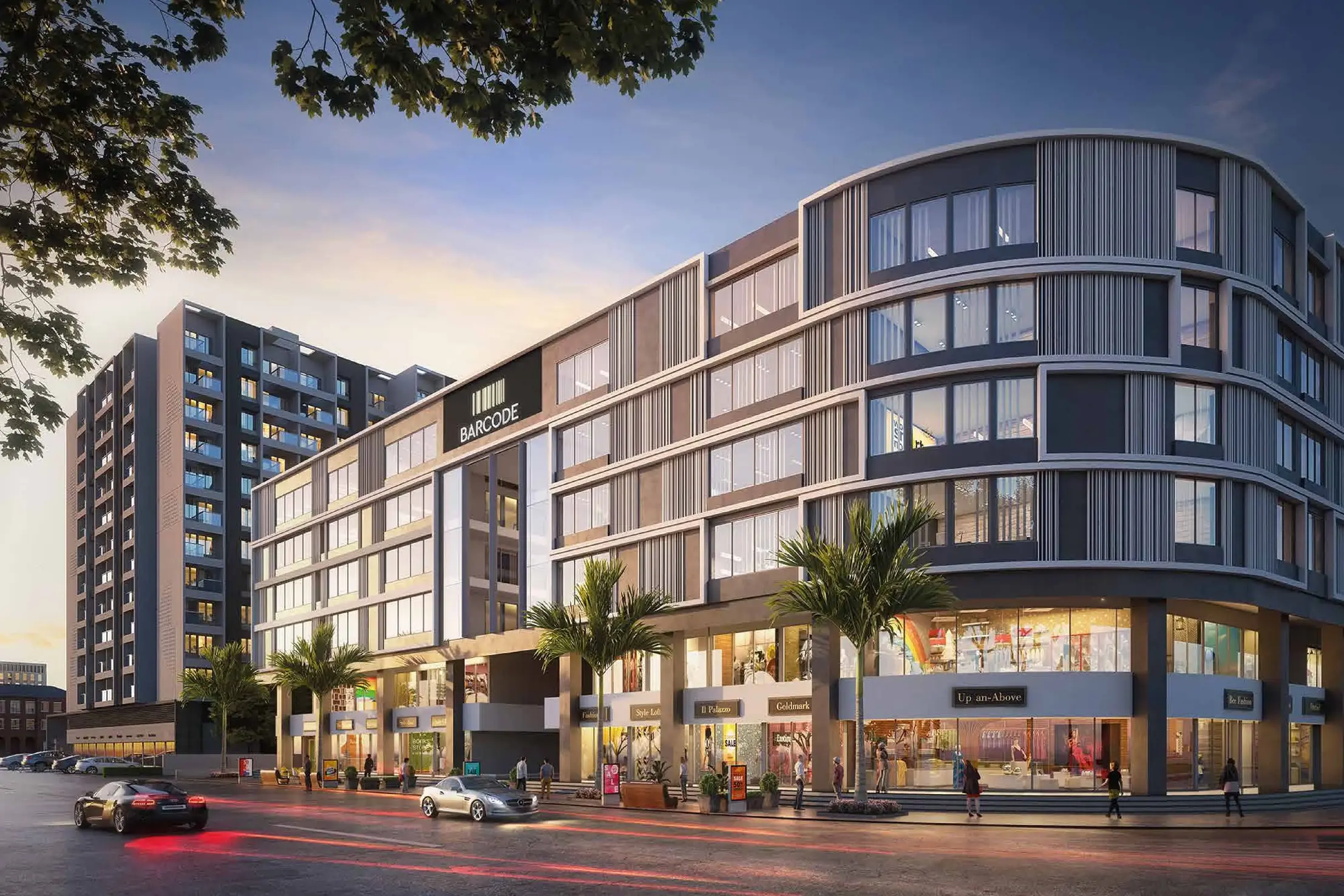
Moshi Commercial Real Estate Guide: Shops, Offices & Restaurants
Formats, sizes, prices and buying checklists for commercial property in Moshi.
Read Guide →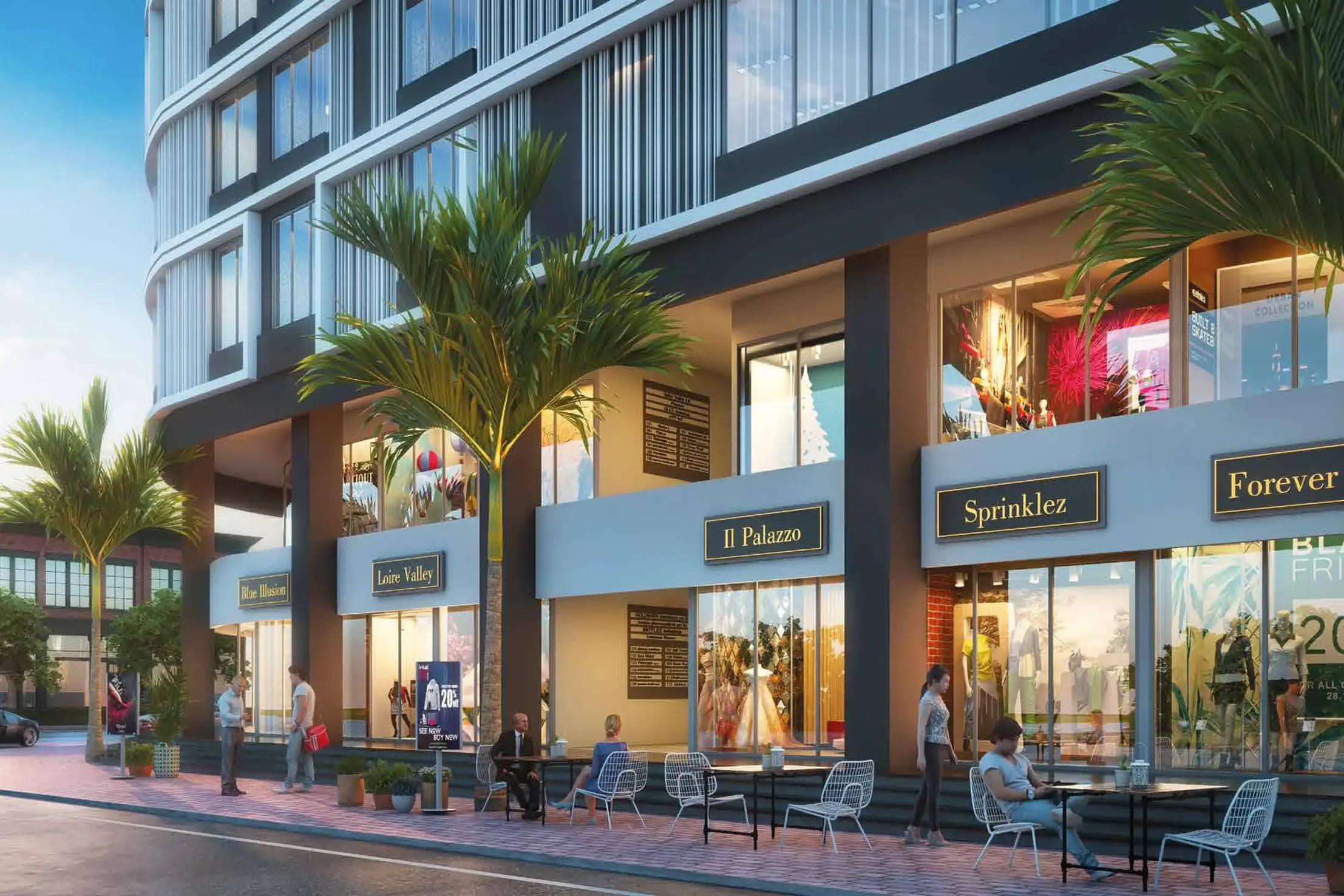
Why Location Matters When Buying Commercial Property
Catchment, visibility and access — the location variables that decide performance.
Read Guide →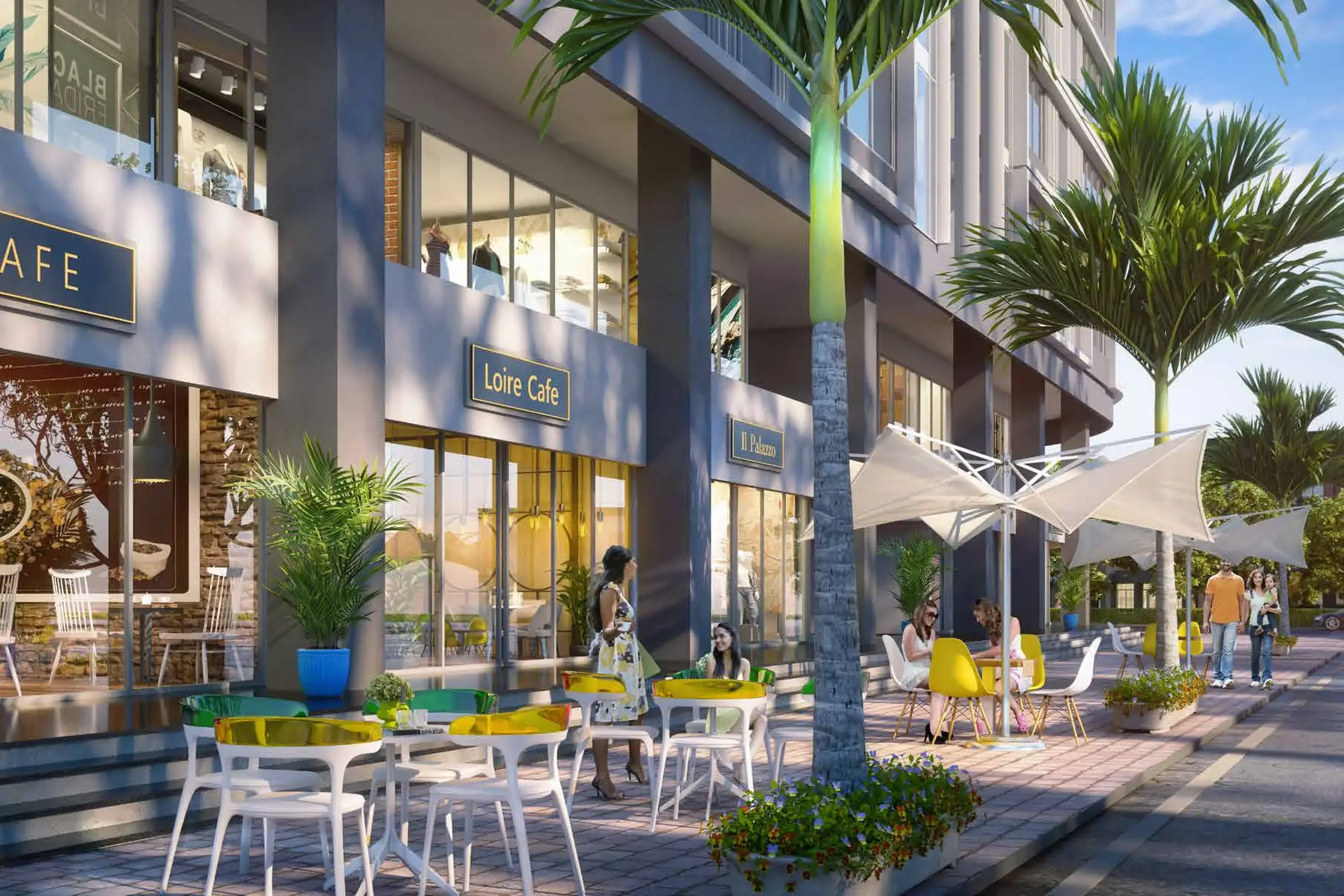
Commercial Property Investment: A Practical First-Timer Guide
Yields, vacancy maths and a one-page worksheet before you buy commercial in Moshi.
Read Guide →