Ready-to-Move Commercial Property in Moshi: Why Businesses Are Considering It
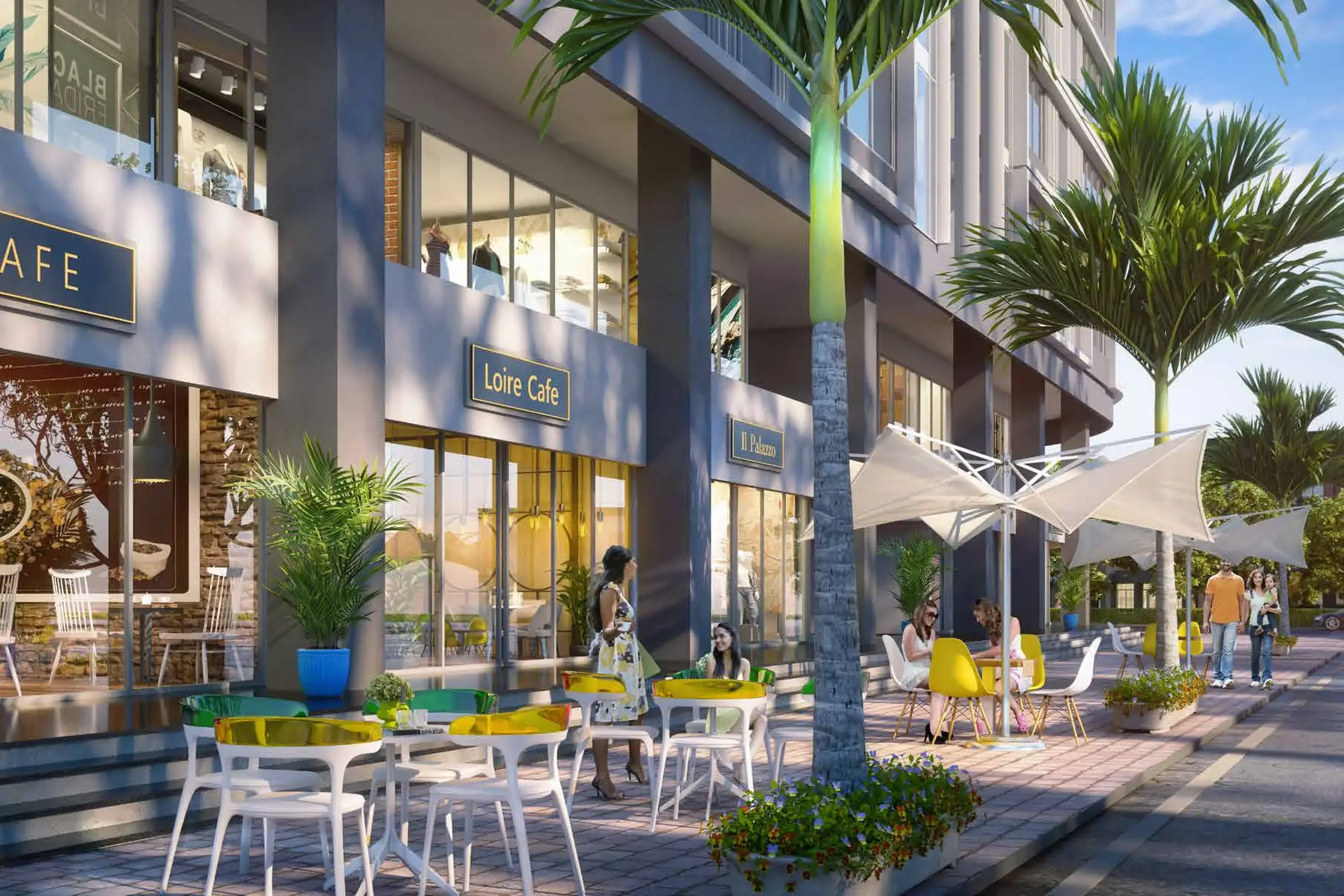
Ready-to-move commercial property in Moshi lets businesses inspect the actual building, plan interiors and launch with certainty and start operations or rental income sooner than under-construction alternatives. The trade-off is a higher upfront price. At Rama Barcode — positioned as ready-to-move with shops (166–725 sq.ft), offices (178–909 sq.ft) and rooftop restaurants — buyers can verify the exact unit, entry, parking and surroundings before paying.
- Ready stock removes delivery-timeline risk — the biggest uncertainty in commercial buying.
- You buy what you see: building, entrance, access, parking and neighbours are all verifiable.
- Operating costs and maintenance become concrete instead of estimated.
- Ready ≠ automatically suitable — catchment, format and documentation still decide.
For most business owners, time is not an abstract concept — it is rent paid elsewhere, salaries waiting for a launch date, and stock with nowhere to sit. That is why ready-to-move commercial property in Moshi deserves a serious look alongside cheaper under-construction options. This guide explains what ready stock actually buys you, where its limits are, and how to evaluate a ready tower like Rama Barcode unit by unit.
Faster Business Planning
When a property is ready or nearing possession, buyers can plan interiors, equipment, staffing and launch activities against a certain date rather than a promised quarter. A clinic can order equipment, a cloud kitchen can schedule FSSAI and fit-out, a CA firm can print new letterheads — all while the agreement is being registered, not two years later. For businesses relocating from rented premises, this certainty converts directly into money: every month of avoided overlap rent is a month of the purchase paying for itself. Under-construction buyers, by contrast, plan twice — once on the promised timeline and again when it slips.
Earlier Visibility Into the Actual Property
A ready building lets you evaluate the real customer experience: the actual entrance and how it presents from the road, the real lift lobby and waiting times at peak hours, the actual parking route from gate to bay, the real neighbours and their trading hours, and the genuine noise, light and ventilation of the specific floor. No render, sample flat or walkthrough video substitutes for standing in the exact unit at 7 pm and watching the street. At a ready project such as Rama Barcode, insist on seeing the inventoried unit itself — not a similar unit two floors up — because view corridors, noise and footfall change floor by floor.
Potentially Clearer Operating Costs
In an operational or near-operational tower, maintenance is a number, not an estimate. You can ask for the current per-sq.ft maintenance rate, see how housekeeping, security and lift upkeep actually run, check water and power arrangements, and observe visitor-parking discipline on a working day. Confirm every figure in writing anyway — rates revise — but starting from observed reality beats starting from a brochure's "approx" column. Our investor worksheet guide shows how to fold these numbers into a yield calculation.
Ready Does Not Automatically Mean Suitable
The honest limit of the ready argument: a ready shop in the wrong location is still a poor fit. Catchment, visibility, frontage, access and business suitability decide performance; readiness only removes construction risk. A first-floor unit bought for impulse retail, or a low-visibility unit bought at a "ready premium," will underperform regardless of how quickly you get the keys. Apply the full 10-point shop checklist to ready units exactly as you would to plan-stage ones.
Ready vs Under-Construction: Honest Comparison
| Factor | Ready-to-Move | Under-Construction |
|---|---|---|
| Price | Higher upfront, negotiable on inventory | Lower entry, staged payments |
| Timeline risk | Near zero — inspect and occupy | Real — delays cost rent + interest |
| Tax (GST) | Generally nil on completed, documented units | GST applies — confirm current rules |
| Verification | See exact unit, entry, parking, neighbours | Plans, promises and progress photos |
| Fit-out start | Immediately after documentation | After possession, years later |
| Choice | Limited to remaining inventory | Full choice of floors and positions |
Questions to Ask Before Booking a Ready Unit
- Possession paperwork: which completion/occupancy documentation exists for this tower and floor? Take copies.
- Exact inventory: unit number, carpet area, floor plan, parking bay numbers — in writing on the cost sheet.
- Commercial-use permission: is your intended activity (retail, clinic, kitchen) a permitted use in this unit?
- Maintenance and charges: current rate, corpus, transfer charges, parking charges — all in writing.
- Fit-out rules: working hours, wet-work permissions, façade and signage policy before you budget interiors.
- RERA and approvals: check live status on the MahaRERA portal and match the agreement draft against it.
Rama Barcode Perspective
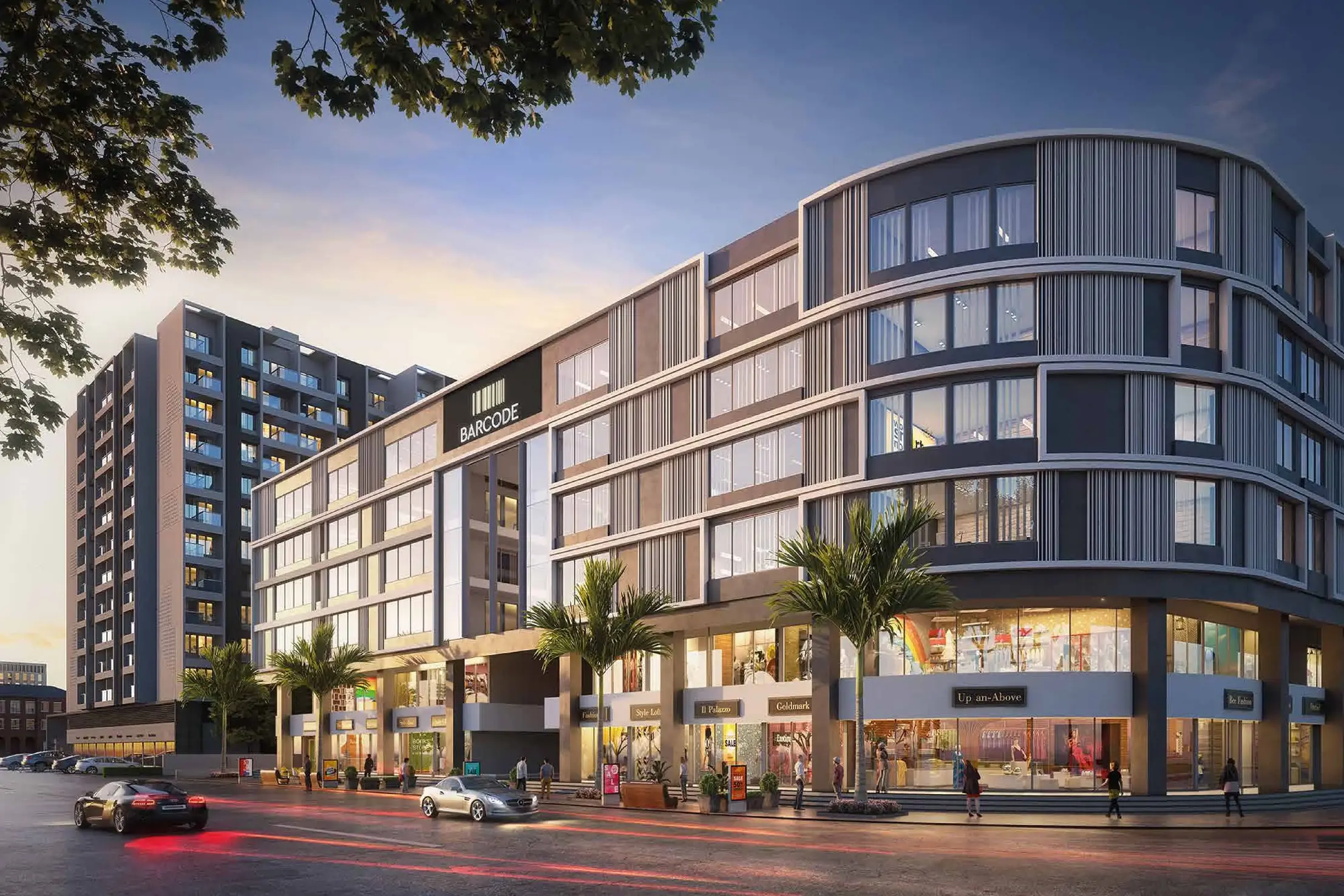
Rama Barcode can be evaluated precisely on the ready-stock advantages above: a constructed 10-floor tower with 4-level basement parking that buyers can walk through, shops on ground plus first floor (166–725 sq.ft), offices from 2nd to 9th (178–909 sq.ft), and rooftop restaurant spaces — with public listing references citing MahaRERA registration P52100026713. The correct use of this project in your process is as a verifiable baseline: inspect real units, collect real numbers, and compare them against one under-construction alternative on total economics (price + waiting cost + risk), not on headline price. Whichever wins that comparison is the right buy.
Want to Inspect a Ready Commercial Unit in Moshi?
Walk the actual tower, check real units and get floor-wise pricing at Rama Barcode.
Frequently Asked Questions
What is a ready-to-move commercial property?
It generally refers to a commercial unit that is constructed and ready for occupation or business use, subject to the project's actual legal and possession status. You can inspect the real building instead of buying from plans.
Is ready property better than under-construction property?
They involve different trade-offs. Ready property offers inspection certainty and faster setup but usually costs more upfront; under-construction may offer lower entry pricing and staged payments but carries delivery-timeline risk. Compare verified facts for your specific options.
What should I verify before taking possession?
Verify completion/occupancy documentation, agreement terms, utility connections, maintenance structure, parking allotment, access arrangements and permitted use — and inspect the exact unit, floor and surroundings physically.
What is the difference between ready-to-move and near-possession?
Ready-to-move means the unit can be occupied after documentation and fit-out. Near-possession means finishing work or approvals are still pending with a stated handover window. Confirm which stage applies and what exactly remains, in writing.
Do ready commercial units cost more than under-construction ones?
Typically yes on headline price, because construction risk and waiting time are removed. But compare total economics — under-construction buyers pay rent elsewhere during the wait and carry delay risk, which narrows the real gap.
Can I earn rental income immediately from ready commercial?
A ready unit can be leased or self-occupied as soon as fit-out and documentation complete. Actual rent still depends on format, floor and local tenant demand — verify with currently-leased comparables.
What is an occupancy certificate and why does it matter?
It confirms the building is constructed per approved plans and fit for occupation. Lenders, tenants and licensing authorities rely on it — never accept possession promises without checking the applicable paperwork.
Is GST applicable on ready-to-move commercial property?
Completed ready units with requisite occupation documentation are generally outside GST ambit, while under-construction units attract GST. Confirm the current tax treatment for your transaction with a tax professional.
How fast can I start my business after buying ready commercial?
After registration, a basic office can be operational in weeks; a restaurant build-out takes months for kitchen, interiors and licences. Ready stock removes construction waiting, not fit-out time.
What fit-out permissions apply inside a ready tower?
Projects regulate working hours, debris removal, wet-work, AC placement, façade changes and signage. Get the fit-out rulebook before budgeting — restaurant and clinic fit-outs face the most constraints.
Is Rama Barcode a ready-to-move project?
Rama Barcode Moshi is positioned as a ready-to-move Grade-A commercial project — shops on ground plus first floor, offices from 2nd to 9th floor, and rooftop restaurant spaces. Verify possession documentation and the exact unit's status before booking.
What is the project RERA status of Rama Barcode?
Public listing references cite MahaRERA registration P52100026713 for the Rama Barcode (Barcode) commercial project. Verify the live status yourself on the MahaRERA portal and match it against your agreement draft.
Can I inspect the actual unit before booking?
Yes — that is the core advantage of ready stock. Ask for the exact inventoried unit, walk its floor, check view, entry, parking route and surroundings, and photograph everything before token money.
Are loans easier for ready commercial property?
Lenders generally prefer ready, documented collateral with occupancy paperwork, which can simplify valuation and disbursement. Commercial-loan rates and LTVs still differ from home loans — get pre-approval first.
How do I book a ready-unit visit at Rama Barcode?
Call 8888 09 5947, message on WhatsApp, or submit the enquiry form. Ask for ready-inventory units with floor-wise pricing and possession paperwork for your visit.
Related Guides
Moshi Commercial Real Estate Guide: Shops, Offices & Restaurants
Formats, sizes, prices and buying checklists for commercial property in Moshi.
Read Guide →
Commercial Property Investment: A Practical First-Timer Guide
Yields, vacancy maths and a one-page worksheet before you buy commercial in Moshi.
Read Guide →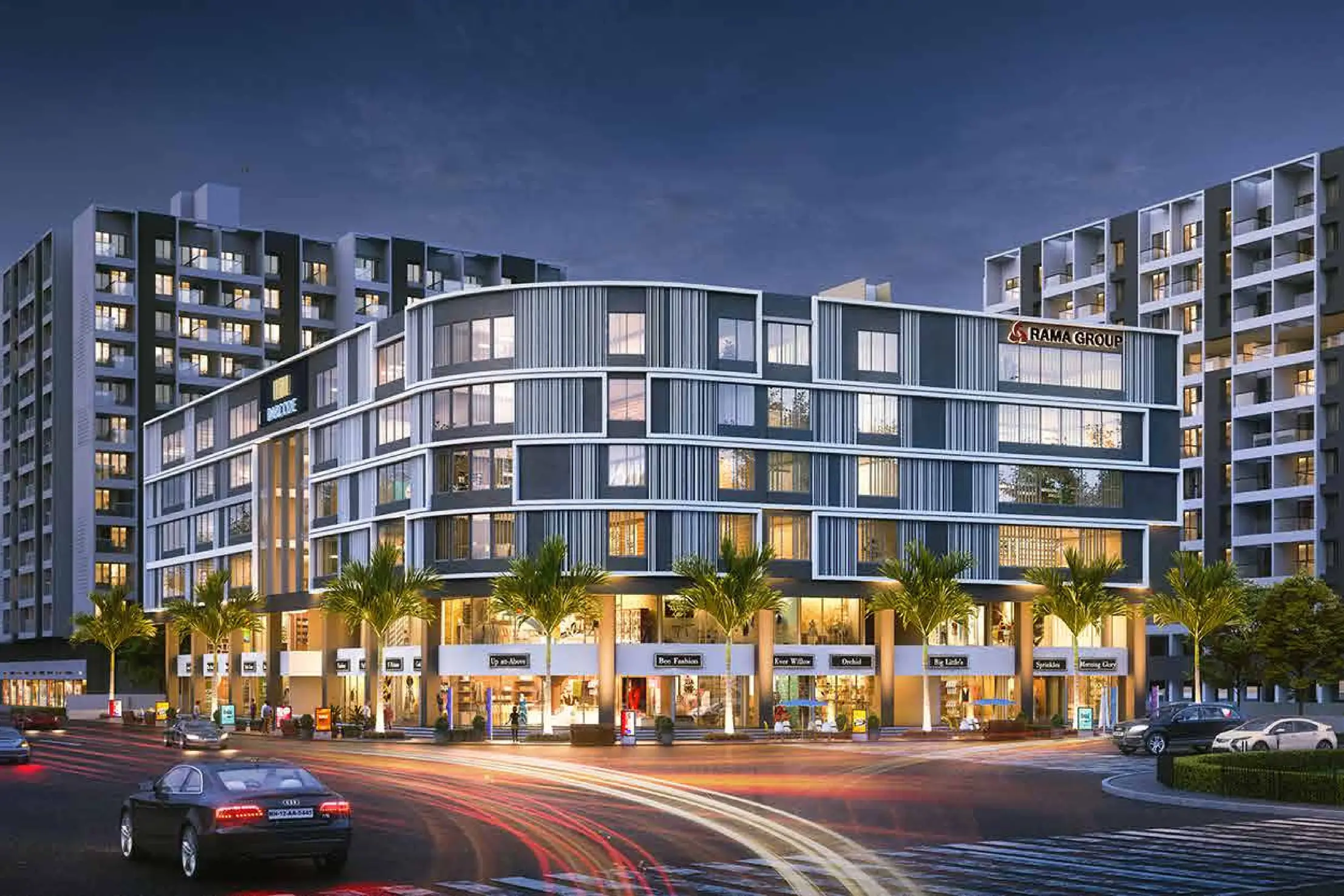
Why Moshi Is Emerging as a Commercial Property Destination
Catchment, connectivity and business demand — the case for Moshi commercial.
Read Guide →